
Latin Analysis: Eight Years On, Nicaraguans Around The World Commemorate The 2018 Uprising
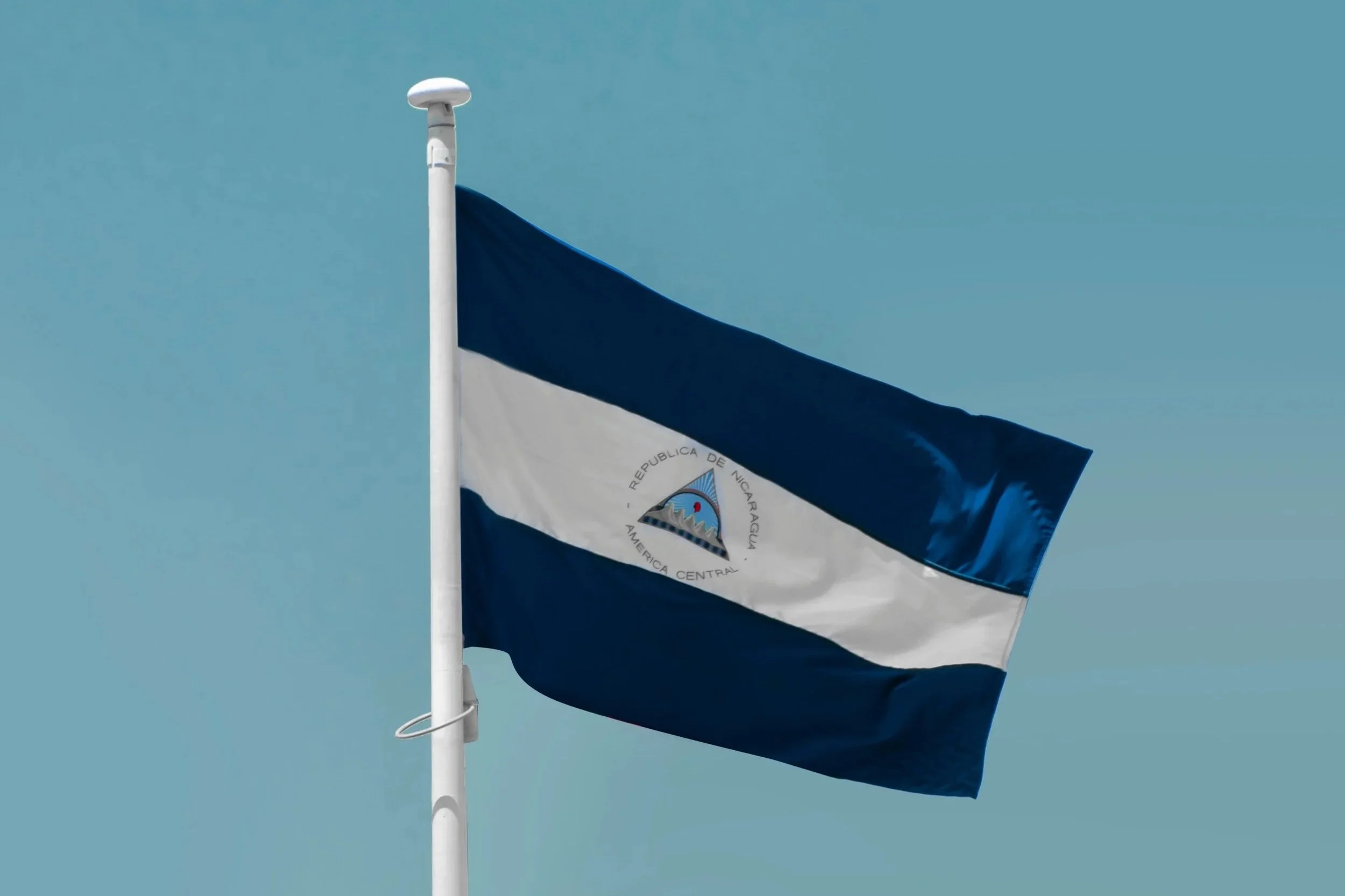
Eight years after the violent suppression of nationwide protests by the government in Nicaragua, the anniversary is now commemorated almost entirely from abroad. With Nicaraguans in exile spearheading the commemorations, mainly in Costa Rica, this has become a reflection of how thoroughly the Ortega-Murillo government has silenced dissent inside Nicaragua and reshaped its political landscape.
The 2018 Uprising
On April 18, 2018, protests erupted in Nicaragua, initially triggered by proposed reforms to the country’s social security system. The demonstrations quickly grew into a nationwide civic uprising, drawing in the participation of students, workers, and civil society organisations, who had accumulated years of frustration with authoritarian governance under the president, Daniel Ortega. The government response was swift and severe, with riot police, snipers, and paramilitary forces deployed against largely peaceful demonstrators. Witnesses documented rubber bullets fired at protesters at universities and churches, as well as assaults on journalists. At least 355 people were killed, more than 2,000 injured, and over 2,000 more detained.
Ortega first came to power in the 1980s as part of the Sandinista revolution that overthrew the Somoza dictatorship. After a period in opposition, he returned to the presidency in 2007 and has governed continuously since then, consolidating power through what many international observers perceive to be sham elections. This is due to his elimination of opponents ahead of elections and ban on electoral observers, among other undemocratic practices. The 2018 uprising represented the most serious challenge to his rule since his return, but the government’s brutal response effectively ended organised domestic opposition.
In an account of her experience participating in the 2018 movement, Nicaraguan student activist Marcela Castillo said: “They murdered, tortured, imprisoned and exiled us for screaming, “Justicia Para Nuestros Muertos” (Justice for Our Dead) and “Viva Nicaragua Libre” (Long Live Free Nicaragua) on the streets of our country. In 2018, I witnessed the Sandinistas, who once promised justice and freedom, commit the same crimes Somoza committed in the 70s. Our lives will never be the same, but this experience taught me that our democracy cannot be traded for a mere promise.”
Nicaraguans Abroad Commemorate The Uprisings
Eight years on, the absence of any public commemoration inside Nicaragua itself speaks to the extent to which civil society has been constricted. However, on April 18, 2026, Nicaraguans in exile made sure to mark the anniversary through events across Costa Rica, the United States, Spain, and the United Kingdom. Hundreds attended religious services and fairs in San José, where thousands of Nicaraguans have settled since fleeing the country. This was part of a broader exodus that has seen over 800,000 people – around 11.6% of the population – leave Nicaragua after April 2018, according to the Nicaragua Nunca Más Human Rights Collective.
Similar events took place in Miami, Los Angeles, and New York, among other cities. The families of those killed gathered to place photographs and names outside churches. At the Church of San Francisco de Asís, a food fair organised by the Red de Mujeres Pinoleras commemorated what they called “eight years of resistance and hope.” At a service at the same church, a relative of one victim said: “No democracy or peace exists without justice. The Inter-American Commission on Human Rights (IACHR) also issued a statement on the anniversary, condemning the ongoing human rights violations and calling on the government to release political prisoners and restore the rule of law.
A notable development was the opening of the Museum of Memory in San José on April 20, titled Lo que no debemos olvidar, meaning “what should not be forgotten”. Created by the Nicaragua Nunca Más Collective, a human rights organisation founded by exiled Nicaraguan defenders, the museum brings together photographs, testimonies, audio recordings, and personal objects documenting the repression.
The Legacy Of The Protests In Nicaragua Today
The crackdown following the 2018 uprising did not mark the end of repression. What followed was an escalating series of measures that have progressively dismantled civil society in Nicaragua.
The UN human rights experts on Nicaragua identified four main phases of repression enacted by the government since April 2018. The first, from 2018 to 2020, involved the violent suppression of protests, with documented cases of extrajudicial killings, arbitrary detention, and torture. The second phase, centred on the 2021 elections, saw mass arrests of opposition figures and journalists, as well as the revocation of opposition parties’ legal status. A third phase in 2022 targeted universities, NGOs, and the Catholic Church. The fourth and last identified phase from 2023 onwards has involved constitutional reforms that formalise executive control over state institutions, strip citizenship from dissidents, and expand mechanisms of surveillance and repression.
The impact on Nicaraguan society has been profound. Aside from the mass exodus of Nicaraguans from the country since 2018, over 5,400 civil society organisations have been shut down. Independent media has been effectively eliminated inside the country, and important universities have been replaced with institutions oriented toward the government’s political agenda. Human rights lawyer Juan Carlos Arce describes the situation as a form of “civic death” in which the regime has removed citizens’ legal capacity to exercise their most basic rights – including civil, social, and economic rights such as access to employment and healthcare. The Ortega-Murillo government continues to characterise the 2018 protests as a foreign-backed coup attempt, while the United States and numerous other governments have responded with targeted sanctions against Nicaraguan officials.
The eighth anniversary of the April uprising illustrates how with domestic space closed, the task of maintaining the memory of the brutal repression – as well as creating political pressure against the government – falls to a dispersed diaspora operating across multiple continents. The efficacy of international sanctions, diplomatic isolation, and sustained pressure from exile communities in creating real political change inside Nicaragua is difficult to assess – authoritarian regimes with consolidated institutional control have historically proven resilient to external pressure alone, without organised opposition inside the country. What is clear, however, is that eight years on, the demands for accountability and the disillusionment with the Ortega government, opposed by a significant portion of the Nicaraguan population, are yet to be resolved.