
Latin Analysis: Fatal Explosion at Colombian Coal Mine Renews Calls for Safety Reform
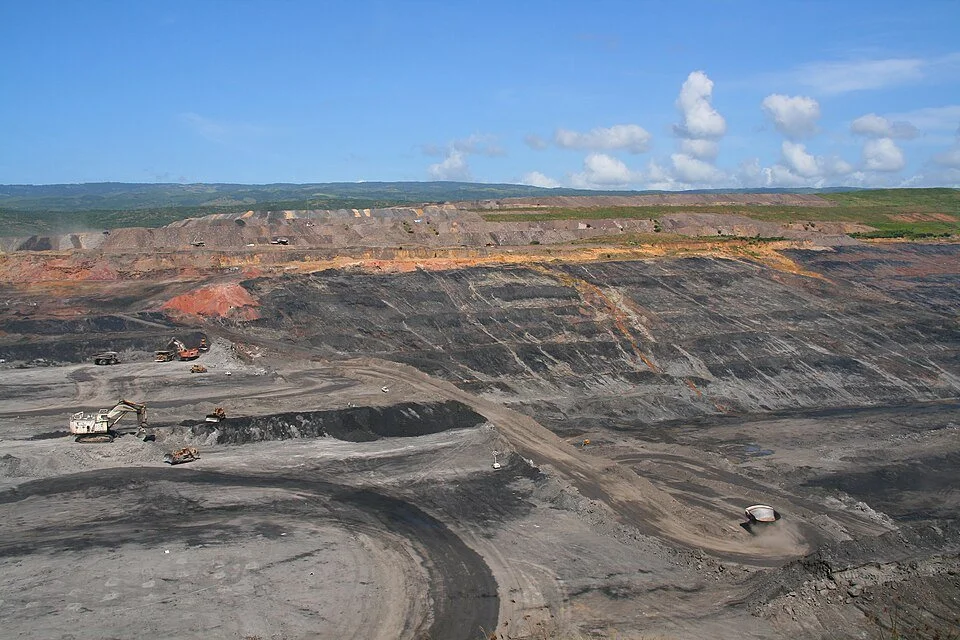
A coal mine explosion in Colombia earlier this month has renewed public scrutiny of safety regulations in the country’s mining sector. The tragedy has prompted criticism about the gap between such regulations and their practical enforcement, in an industry where fatal accidents are recurring, and what the Colombian government’s policy agenda – alongside demands from NGOs and local communities – means for a sector that has resisted meaningful reform.
The Explosion At La Trinidad Coal Mine
On the afternoon of May 4, 2026, an explosion occurred at the La Trinidad coal mine in Sutatausa, a municipality in the Cundinamarca region north of Bogotá. The blast happened 600m underground at a site operated by mining company Carbonera Los Pinos, and emergency services, including firefighters and soldiers, were deployed to the scene in the wake of the incident. Of the 15 miners inside the mine at the time, nine were killed and six were evacuated and hospitalized.
Jorge Emilio Rey, the regional governor of the department of Cundinamarca where Sutatausa is located, attributed the explosion to a build-up of gases. The national mining agency, known as the ANM, had recently conducted an inspection of the site just last month, where they identified hazardous methane levels and coal dust accumulation. They issued recommendations to reinforce safety measures, but it is unclear whether Carbonera Los Pinos, as the mine's operator, acted on them. The mine nevertheless continued to operate. According to family members at the scene, workers had reportedly been evacuated from the mine twice in the week before the blast due to dangerous gas levels.
This disaster has a precedent in Sutatausa. In 2023, an explosion at a nearby coal mine complex killed 21 people and was also caused by methane gas build-up, according to the investigators at the time. And in February 2026, six workers died in a blast at an illegal coal mine in Guacheta, around 30km away from Sutatausa. This points to an ongoing problem that has drawn intense scrutiny from a range of domestic organizations and sectors of society, from local residents and families to grassroots organizations and NGOs, all of whom want increased protection for Colombia’s miners.
Colombia’s Mining Industry
The mining industry is a cornerstone of Colombia’s economy, where it serves as a primary driver of exports and foreign investment. Colombia is among the world’s leading exporters of thermal coal – the Cerrejón open-pit operation in La Guajira is the largest coal mine in Latin America. Colombia also holds substantial reserves of gold and emeralds, as well as critical minerals like copper, nickel, and platinum. Interest in these critical minerals has grown due to their importance to the green energy transition as inputs for electric vehicles and renewable infrastructure. This has positioned Colombia as a potential critical supplier in the global energy transition.
However, as the case of Satatausa has demonstrated, the safety record of the mining industry as a whole is poor, with fatal accidents occurring on average every 3.75 days according to this 2023 study. The most common causes are structural collapse, inadequate ventilation, and gas or dust explosions. Approximately a quarter of all mining emergencies occur in illegal or informal operations, which lack safety oversight and carry higher rates of injury and death than licensed mines. The ANM has repeatedly noted that coal deposits are inherently prone to methane accumulation, requiring strict ventilation management, which is a standard many smaller operators fail to meet.
What Colombian Communities Are Asking For
The Petro administration has pursued a policy agenda oriented around reducing Colombia’s dependence on fossil fuel extraction. In November 2025, the government announced a ban on new oil and large-scale mining projects across the Amazon biome, covering roughly 42% of national territory. A proposed roadmap would phase out coal-fired power by 2036 and halt new open-pit coal concessions. Draft legislation would require mining companies to establish environmental restoration funds and obtain environmental licences from the exploration stage onward. A new state entity, Ecominerales, has been proposed to bring informal miners into the formal economy through fair price purchasing and increased supply chain transparency.
These measures address the structural direction of the sector, but they do not resolve the immediate enforcement failures that cause incidents like those recurring in Sutatausa. NGOs including Tierra Digna and CENSAT, along with local communities, are calling for mines to be suspended immediately when safety measures are found not to be in place, rather than being permitted to continue operating. Some also push for a revised mining code that makes ongoing safety compliance – and not just the initial granting of a permit – a condition to legally operate a mine.
Indigenous and Afro-Colombian communities have raised longer-standing concerns about the terms on which mining operates in their territories. These communities together make up around 14% of Colombia’s population, but the lands held by Indigenous and Afro-Colombian communities are disproportionately where extraction happens. 90% of Colombia’s coal production and virtually all of its coal exports come from La Guajira and Cesar, which have high Indigenous and heavily Afro-descendant populations. Research on the Nasa people of North Cauca highlights organised resistance to both illegal mining linked to armed groups and legal operations that threaten indigenous rights. The Cerrejón mine in La Guajira, where Wayuu and Afro-descendant communities have faced forced displacement, water scarcity, and health impacts from coal dust over more than three decades, is a constant reference point. Despite multiple rulings in Colombian courts, the Cerrejón mine continues to operate, and communities are pressing for a credible closure and restitution plan before the licence expires in 2034.
The Sutatausa explosion did not occur at an unregulated illegal mine, but a site the ANM had recently inspected and flagged. That distinction exposes a more fundamental problem than illegal mining alone – namely, existing regulation that lacks the enforcement to prevent such tragedies. Addressing that gap is a precondition for any of the government’s broader policy ambitions to have meaningful effect.