
In America: NATO 3.0
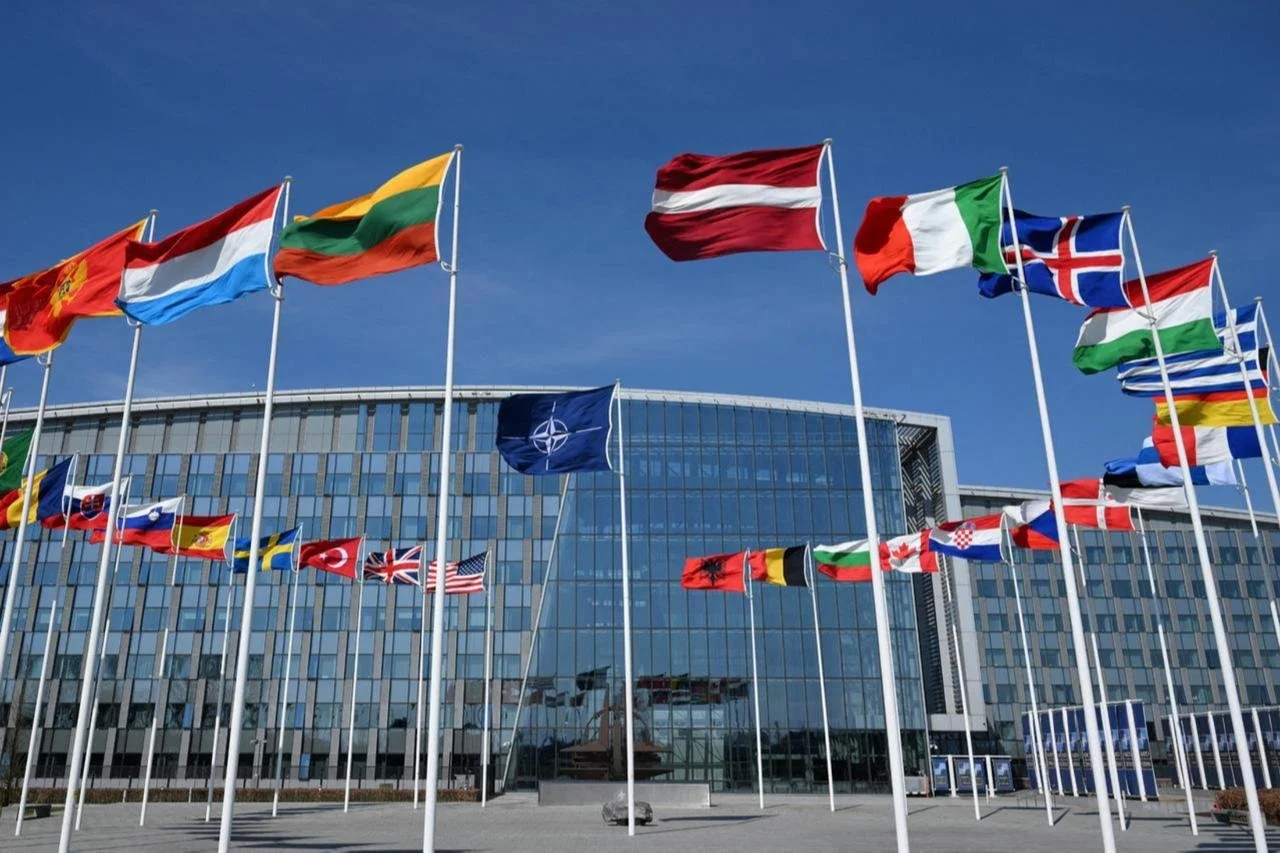
US Secretary of War Pete Hegseth recently met with NATO officials in Brussels to discuss an ongoing realignment of US commitments to NATO. Rather than leading the defense alliance itself, the US envisions its future relationship with NATO as a strategic partner.
"We're doubling down on our effort to make NATO what it always was supposed to be: a balanced alliance with Europe in the lead for its own defense — NATO 3.0.” – US Secretary of War Pete Hegseth
What Is NATO 3.0?
NATO 3.0 returns to a deterrence-based posture with greater obligations for all member states, similar to those NATO 1.0 member states had during the Cold War. NATO 2.0 can be considered the post-Cold War period, when the defense alliance was primarily US-led, with European defense commitments taking a back seat.
The recent NATO meeting in Brussels and the upcoming summit in Ankara will seriously assess whether the benchmarks set at last year’s Hague Summit to advance the transition to NATO 3.0 are being met. A key metric for the transition to NATO 3.0 is member states' defense spending, with the previous benchmark set at 2% of GDP by 2024. The Hague Summit's pledged goal updated this figure to 5%of a country’s GDP by 2035. Of this 5%, 3.5% should be distributed to core military requirements, with the remaining 1.5% going to related infrastructure needs.
According to a NATO press release, all member states had reached the old 2% benchmark in 2016, with current spending in some member states near 3.5% of GDP. Poland is an outlier with its defense spending nearing 5% of GDP, while Germany and the Baltic states lead the rest of NATO member states in defense spending. European states have been able to flexibly finance these financial commitments through loans such as the ReArm Europe Plan and SAFE defense loans.
The current agenda for the Ankara NATO summit highlights the need to translate these financial commitments into tangible capabilities. Europe has already proved itself capable of providing military aid to Ukraine after a sharp drop-off in US military aid in 2025.
While this is a good sign for European defense capabilities, there remains a serious question mark around European defense capability gaps. Specifically, capability gaps related to troop readiness–the ability to deploy at speed, sustain deployments under pressure, and regenerate forces consistently. Additionally, developments in warfare have spread the efficacy and importance of scaling up infrastructure and capabilities related to drone warfare, surveillance, intelligence, and reconnaissance.
Ultimately, the grand strategy behind this reformed NATO is to counter and contain Russia. The primary mechanism by which this is currently happening is European military aid to Ukraine. European Commissioner Kubilius gave these remarks on Ukraine at the European Defence and Security Summit:
“There are three things we now need to do and are doing: a) support Ukraine and integrate with Ukraine; b) from slow and low ‘haute couture’ production to massive ‘good enough’ production; c) integrated, effective European defence market.”
These priorities reflect the internal commitment among European states to NATO’s reformation and what this entails for a European-led defense alliance. In a vacuum, these reforms may be manageable; however, the latest conflict in the Middle East and divisions stirred by President Trump's flagrant remarks threaten the very reforms he seeks.
Challenges to NATO 3.0
There are both internal and external stressors that burden the reformation of NATO. The ongoing US-Iran war has placed serious strain on the global economy, with shipping and energy sectors hit the hardest. Europe's refusal to assist the US in its latest war has been a persistent point of frustration with the Trump administration and has raised tensions surrounding US commitments to NATO.
“NATO wasn’t there when we needed them, and they won’t be there if we need them again” – President Trump on a Truth Social post.
From the European perspective, the latest Middle East conflict serves as a serious political complication with the lack of allied consultation at the start, the muddled legality and strategic aim of the conflict, and the diversion of resources away from Ukraine. These tensions continue the breakdown of trust between the US and its European allies.
Reflecting upon NATO’s reformation, European leaders are seriously questioning whether US commitments can be trusted if it seeks out reprisals for refusal to help against Iran. Indeed, the US has accelerated its withdrawal of forces stationed in Europe after some European allies refused to allow US forces to use their bases.
Another point of contention is the threats and pressure that President Trump has made surrounding Greenland. While an agreement was eventually reached, the threats alarmed Danish officials enough to prompt the drafting of a contingency plan for a potential US invasion of Greenland.
Serious roadblocks to NATO’s reformation lie ahead if the US and Europe continue down this path. The intended reforms to NATO aim to modernize and reevaluate the US's relationship with the alliance. If these goals are to be met, NATO officials must delicately balance US and European priorities while managing external pressures. The NATO summit in Ankara needs to manage the growth of European capabilities, the US expectations and pressure, and the ongoing Russia-Ukraine war to lay out a continued pathway to success for a reformed NATO.