
In America: Failed FISA Act Extension Vote Brings DNI Into The Spotlight
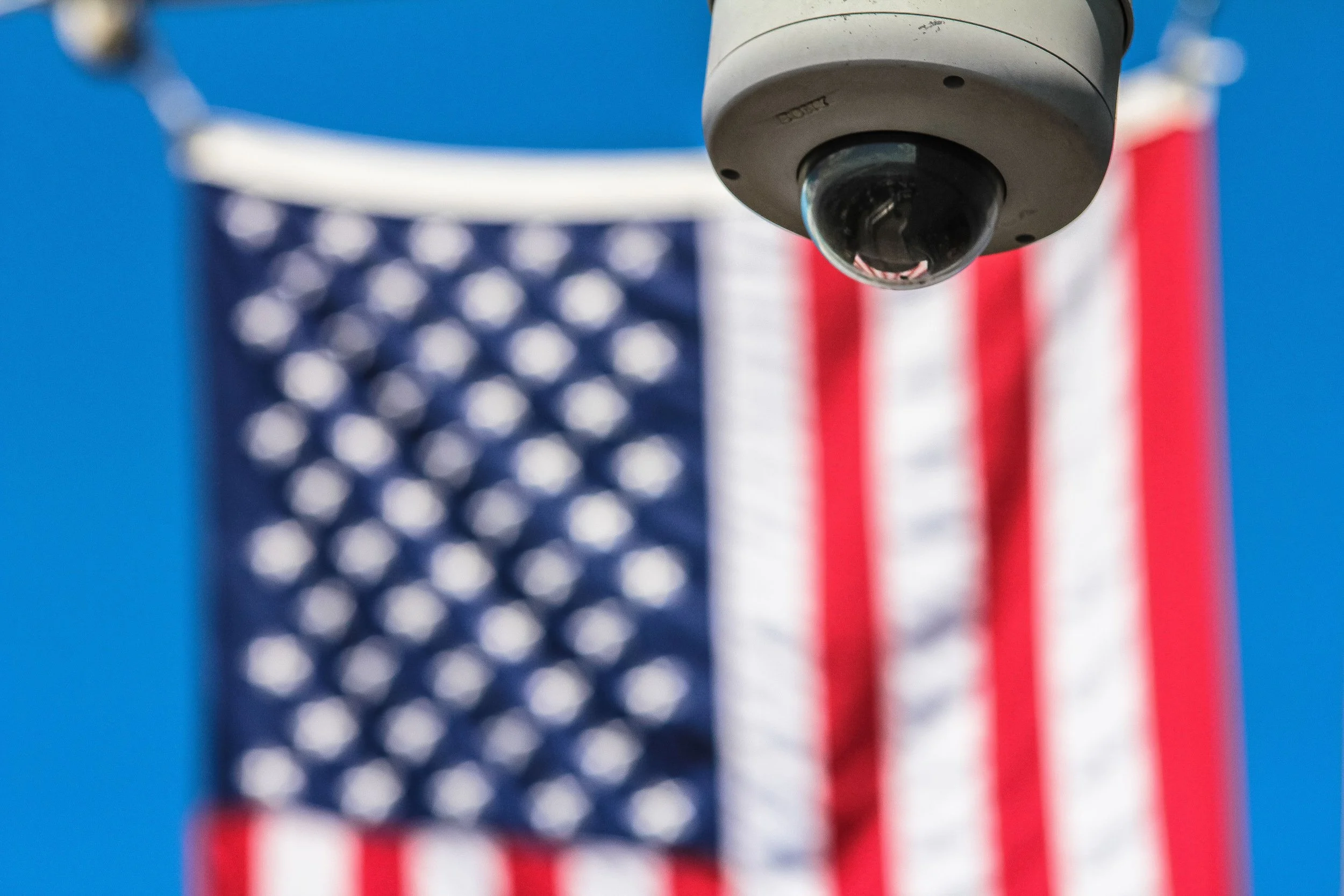
Francesco Ungaro
Last month, Congress failed to pass an extension of Section 702 of the Foreign Surveillance and Intelligence Act, marking the first time since 2008 that the law has lapsed. The vote took place on June 11th with a final count of 218 to 198. Notably, the vote to extend FISA was put in place with a fast-track method that fell remarkably short of the two-thirds majority that this method requires.
FISA’s Section 702 authorizes US intelligence agencies to conduct warrantless surveillance of non-US persons located outside the US. More broadly, FISA serves as the backbone for legal surveillance and intelligence gathering for non-US targets. FISA also works in conjunction with the Patriot Act to surveil threats to the American homeland.
While FISA’s Section 702 seemingly catches the windfall of political gridlock, Congress and FISA courts have already passed legislation and decisions that extend Section 702 until 2027. This is due to how the law authorizes Section 702 through yearlong certifications granted by FISA courts. The most recent authorization guarantees Section 702 surveillance operations until March 2027.
In the lead-up to the extension vote, Congressional lawmakers struggled to reach a deal that appeased privacy concerns from the left and the right. While lengthy negotiations were underway, President Trump’s decision to elevate Bill Pulte as the acting Director of National Intelligence (DNI) strongly motivated Democrat opposition to signing off on extending FISA.
Comments from Senate Minority Leader Chuck Schumer reflect the staunch Democratic opposition to Bill Pulte as acting DNI.
“Pulte’s got to go. The DNI role is too important. He cannot be there — no ands, ifs or buts. No matter what else they do.”
Bill Pulte previously served as the head of the Federal Housing Finance Agency as well as chairman of Fannie Mae and Freddie Mac, government-sponsored enterprises that support the mortgage market. In these positions, Pulte gained infamy for advancing allegations of mortgage fraud against Trump’s political enemies. Democrats fear that Pulte will continue to abuse his position as acting DNI and advance President Trump’s political agenda by weaponizing the office of the DNI. These fears stem from Pulte’s allegations of mortgage fraud against New York Attorney General Letitia James and Federal Reserve Governor Lisa Cook.
House Intelligence Committee Democrat Jim Himes of Connecticut commented on Pulte's role as acting DNI.
“There’s really not a negotiation until the president backs away from Bill Pulte — and that is a near-unanimous belief in this building; that is not a Democratic thing. Bill Pulte needs to leave the stage, and then we’ll go right back to where we were a week ago and get something done.”
Pulte replaces Tulsi Gabbard, who resigned from the role amidst tensions surrounding President Trump’s decision to attack Iran and her husband’s bone cancer diagnosis. As acting DNI, Pulte oversees all 18 US intelligence agencies and serves as the president’s chief advisor for national security and intelligence matters. In addition, President Trump has directed Pulte to fire large numbers of employees from the DNI’s office.
“I’d like to see it smaller. I think there are a lot of people in there that shouldn’t be there.” – President Trump to Bill Pulte on the DNI’s office
This act picks up where Gabbard left off, as her tenure saw nearly 30% cuts to the DNI office staff. These cuts come as Trump continues to purge the DNI of Obama and Biden holdovers. Similar to the gutting of the Department of Education in 2025, President Trump seeks to dismantle the DNI by eliminating funding and cutting staff. These actions compile past tensions President Trump has had with the DNI, as there have been over 6 acting or permanent DNI’s throughout Trump’s presidencies.
Senator Mark Warner from Virginia, the top Democrat on the Senate Intelligence Committee, commented on Pulte.
“That is how intelligence becomes politicized, how inconvenient facts disappear, how agencies charged with protecting our democracy instead become tools to manipulate it, and how Americans are left more vulnerable to a terrorist attack.”
These comments reflect the prime complaint that congressional lawmakers have with appointees like Bill Pulte. Rather than serving as a qualified and professional Director of National Intelligence, Pulte plans to use the DNI office to advance Trump’s political agenda.
After the extension vote failed, President Trump announced he would nominate Jay Clayton, a federal prosecutor from New York City, as the permanent DNI. However, President Trump refused to back down from leaving Pulte as the acting DNI. These tensions contributed to Clayton’s failed Senate confirmation hearing and a failed second extension vote that would have taken place on June 23rd had it not been called off. It is unclear whether President Trump plans to stand by his previous nomination of Clayton as the next permanent DNI.
With two failed votes to extend FISA’s Section 702, the provision remains in limbo through Congress’s summer recess. It is unclear whether this will actually help halt or forestall US foreign intelligence and surveillance, given that FISA courts and prior congressional approval have extended Section 702 until 2027. At the same time, these failed votes reflect congressional disapproval over the elevation of Bill Pulte as acting DNI from Democrats and Republicans alike. If headway is to be made on these issues when Congress reconvenes, the next DNI nominee must be acceptable to both sides of the aisle and possess the necessary qualifications and experience for the role.