
Mzansi Now: High Court Legalizes the International Sale of Rhino Horns
Ajeet Panesar
The High Court in Kimberly, a city in Northern Cape, recently ruled that registered rhino conservation breeding operations can now legally sell rhino horns on the international market. The decision has raised intense debate among conservationists, environmental groups and wildlife law enforcement agencies across the nation.
The case called into question a global treaty called the Convention on International Trade in Endangered Species of Wild Fauna and Flora (CITES), a multilateral agreement recognized by 184 countries to protect wildlife. The court ruling established that CITES does not explicitly outlaw the export of rhino horns from captive-bred animals in conservation reserves, creating a legal distinction between horns taken from wild rhinos and those harvested from animals bred and managed within registered private facilities.
The decision represents a significant legal development in South Africa, home to the world’s largest rhino population, and comes amid continued pressure from poaching syndicates and rising costs for private conservation operations tasked with protecting the critically endangered species.
The Plaintiffs
The case was brought earlier this year by farm owners Derek Lewitton and Wicus Diedericks against the Department of Forestry, Fisheries and the Environment. Diedericks owns Rockwood Private Game Reserve near Kimberly, an organization that claims to protect one of the largest privately owned rhino populations on the planet. Prior to the case, Diedricks had submitted several applications for permits to export rhino horns but had been repeatedly denied by provincial authorities, prompting him to bring the matter to a higher court. The court ultimately found that the provincial authorities’ blanket refusal to consider export permits was unlawful. It ordered the Department of Forestry, Fisheries and the Environment to reconsider the applications within seven days and to provide written reasons for the denial of any future applications.
Lewitton owns Black Rock Rhino Reserve in Limpopo, about 600 miles northeast of Diederick’s farm. He joined Diederick’s legal efforts as a fellow farm owner and as a longtime proponent of looser regulations around the matter, but he is not new to fighting the legal system regarding rhino conservation. In December 2023, Lewitton’s farm and residence were raided by police on accusations of possessing illegal horns, carcasses, and unlicensed firearms. He was held in custody for three weeks and alleged that in his absence, 60 rhinos had gone missing and an additional 39 had been poached.
Ultimately, the Namakgale Magistrate’s Court withdrew all charges, though the National Prosecuting Authority stated that the charges were only “provisionally withdrawn” and could be reinstated once police “finalise investigations.” A representative told Eyewitness News that the state “dropped the charges because they are scared,” maintaining that the allegations were politically motivated and tied to his outspoken support for legalizing the rhino horn trade.
Support
Supporters of Lewitton and Deirdrick’s case say that the ruling would provide financial relief to private conservation operations that do not receive the state funding that publicly protected areas do. The income of private operations is largely dependent on tourism, philanthropy, and recreational leases for hunting. Selling rhino horns overseas would provide an additional source of revenue for these operations to protect, feed, and maintain their animals.
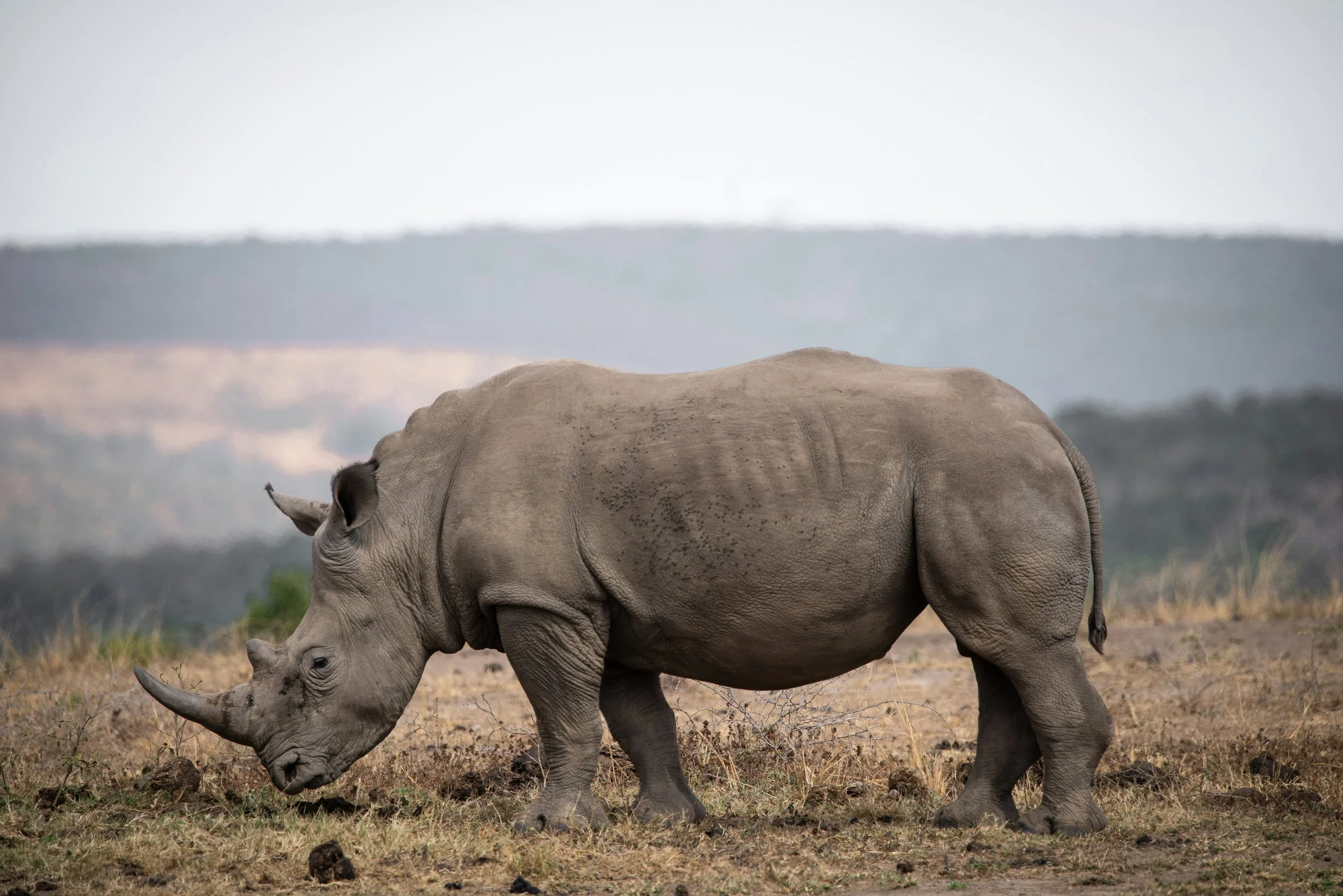
Rhino horns grow back naturally, much like human hair or fingernails, within approximately four years after trimming. Horn trimming is already a standard practice at many reserves, both to reduce the incentive for poachers and to prevent aggressive interactions between rhinos that can result in injury or death. Proponents argue that because horns must be trimmed regardless of how the trimmings are ultimately used, allowing their legal sale on international markets would not increase harm to the animals. Instead, they say, it could reduce poaching by undercutting black-market prices while generating funds for anti-poaching operations, habitat management and rural employment.
Opposition
Other organizations have opposed the ruling. The Environmental Investigation Agency (EIA) argued that the legalization would only drive demand for rhino horns and escalate trafficking syndicates, pointing to previous cases involving ivory, pangolin scales and tiger products, where regulated or partially legal markets failed to curb illegal trafficking. The EIA also argued that the legal distinctions used to finalize ruling were unclear. Article VII of CITES specifies that the export of rhino horns may be authorized if the rhinos are “bred in captivity not for commercial purposes”. The EIA contended that Rockwood Reserve’s intentions to sell rhino horns overseas directly works against the non-commercial aspect of the treaty, as the reserve may begin to lean into commercialization of rhino horns now that their sale is legal.
The Conservation Action Trust echoed many of the EIA’s concerns, stating that legalizing the sale of rhino horns will only accelerate rhino trafficking and poaching rather than deter it.
Once a legal export channel exists, enforcement agencies must distinguish legal horn from illegal horn in circulation, a task that has repeatedly proven unmanageable in wildlife trade. Documentation can be forged, permits duplicated and horns substituted or mixed during transport. — Adam Cruise for the Conservation Action Trust
In their view, a legal trade route provides the ambiguity that organized criminal networks look to exploit.
Going Forward
The court’s decision does not automatically legitimize the international sale of rhino horn. Export permits must still be evaluated individually, and any international trade must comply with CITES rules and the laws of importing countries.
Following the Northern Cape High Court ruling, the South African government announced plans to appeal. The matter will proceed to the Supreme Court of Appeal in Bloemfontein, and could ultimately be referred to the Constitutional Court if either party challenges the appellate ruling.
As South Africa continues to grapple with balancing conservation, economic pressures and transnational wildlife crime, the ruling marks a pivotal moment in the global debate over whether legal trade can ever coexist with the protection of one of the world’s most endangered species.