
Mzansi Now: U.S. Ambassador to South Africa Demarched To Pretoria
ap
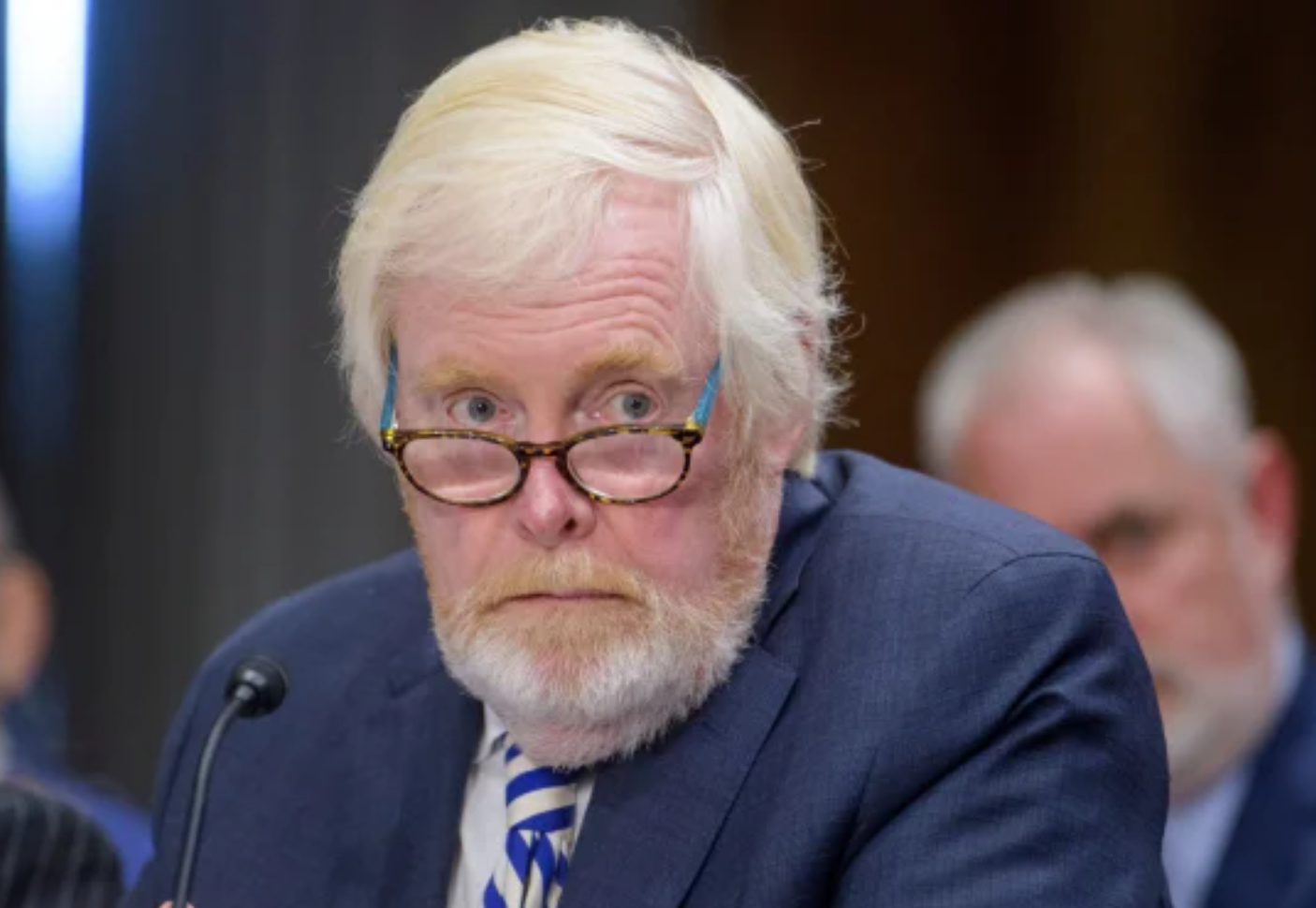
On March 12, International Relations Minister Ronald Lamola summoned the newly appointed U.S. ambassador to South Africa, Leo Brent Bozell III, to Pretoria. The demarche was issued the day after Bozell made “undiplomatic remarks” at a business meeting in Hermanus regarding the legal status of an anti-apartheid chant.
The chant, called “Dubul' ibhunu” in isiXhosa or “Kill the Boers” in English, has been highly controversial in recent years, as Boers — the Afrikaans word for “farmers” — are understood to be South African descendants of 17th-century Dutch, French, and German Protestant settlers. In 2024, however, a legal ruling determined that the chant was constitutionally protected under the freedom of expression.
“I’m sorry, I don’t care what your courts say,” Bozell said in the March 10 meeting. “It’s hate speech.” Bozell later clarified his statement through a post on X, saying that despite his personal view of the song, “the U.S. government respects the independence and findings of South Africa’s judiciary”. Bozell’s post, however, did not prevent South Africa from calling him to Pretoria to explain himself.
Dubul' ibhunu
The chant in question has long been the subject of legal controversy. In 2011, the Johannesburg High Court ruled that the chant constitutes hate speech, after AfriForum Youth opened a civil case against Julius Malema, the then-African National Congress Youth League leader. Malema, who is now the leader of the Economic Freedom Fighters (EFF), sings the song occasionally at political rallies and protests, alongside other politicians like Jacob Zuma and Peter Mokaba. The 2011 ruling was later overturned in 2023 when the Johannesburg High Court found that AfriForum had failed to provide evidence that Malema was provoking harm against Afrikaners by singing “Dubul' ibhunu”. In 2024, the Supreme Court of Appeals confirmed the 2023 ruling, stating that Malema’s use of the chant was a form of political speech rather than hate speech, and was thus protected under the Constitution.
The chant dates back to the anti-apartheid struggle of the 1980s, when it was used as a liberation song by activists opposing white minority rule. South African scholars and historians have argued that, within its historical and political context, the chant is symbolic rather than literal, and reflects resistance to systemic oppression rather than an explicit call to violence against individuals.
Others, however, have argued that the chant is a call to violence against the white South African minority. Last March, Elon Musk pointed to the chant to support his claims of a “white genocide” in South Africa, posting a video of Malema singing the chant at a political rally. U.S. Secretary of State Marco Rubio condemned the song two days after Musk shared his post, calling it a “horrible threat of violence”. U.S. President Donald Trump has also shown the chant as an example of violence against Afrikaners, showing a video of Malema singing the chant and asking President Ramaphosa to explain it at a meeting held last May. Ramaphosa responded by asserting that in South Africa, freedom of speech is constitutionally protected, and that such songs are not a call to violence, but rather a form of political expression.
Political Infighting
The Government of National Unity (GNU) is divided over the handling of Bozell’s remarks. The EFF has been vocally against Bozell’s appointment as ambassador since his tenure began, calling his nomination “a calculated act of aggression” and “a blatant declaration of war against the sovereignty, dignity, and aspirations of the South African people”. The EFF has not made an official statement about the decision to demarche Bozell, nor to Bozell himself regarding his comments on “Dubul' ibhunu”. On March 10, however, Malema commented on an X post linked to an article about Bozell, writing, “He can go to hell”.
Meanwhile, the Freedom Front Plus (VF+) criticized the decision to demarche Bozell, issuing a statement expressing their belief that the demarche is meant to distract from ongoing trade negotiations between the United States and South Africa. These trade negotiations include five conditions, which relate to the Expropriation Act, Black Economic Empowerment (BEE), hate speech regarding “Dubul' ibhunu”, farm murders and a review of South Africa’s foreign policy. While the VF+ supports accepting these conditions in exchange for restored trade relations between the United States and South Africa, members of the ANC argue that such provisions would infringe on South Africa’s sovereignty.
The Freedom Front Plus’s public response to the issue has stirred backlash from the ANC. On X, the VF+ has claimed that the decision to demarche Bozell was a unilateral one, made without discussion between the other parties in the ruling government. Secretary General Fikile Mbalula pushed back, arguing that the government’s response was appropriate and consistent with diplomatic protocol. Mbalula defended the demarche as a necessary step to address what officials viewed as inappropriate public commentary by a foreign envoy on a matter adjudicated by South Africa’s courts.