
China View: Hong Kong’s Identity And Historical Inequities
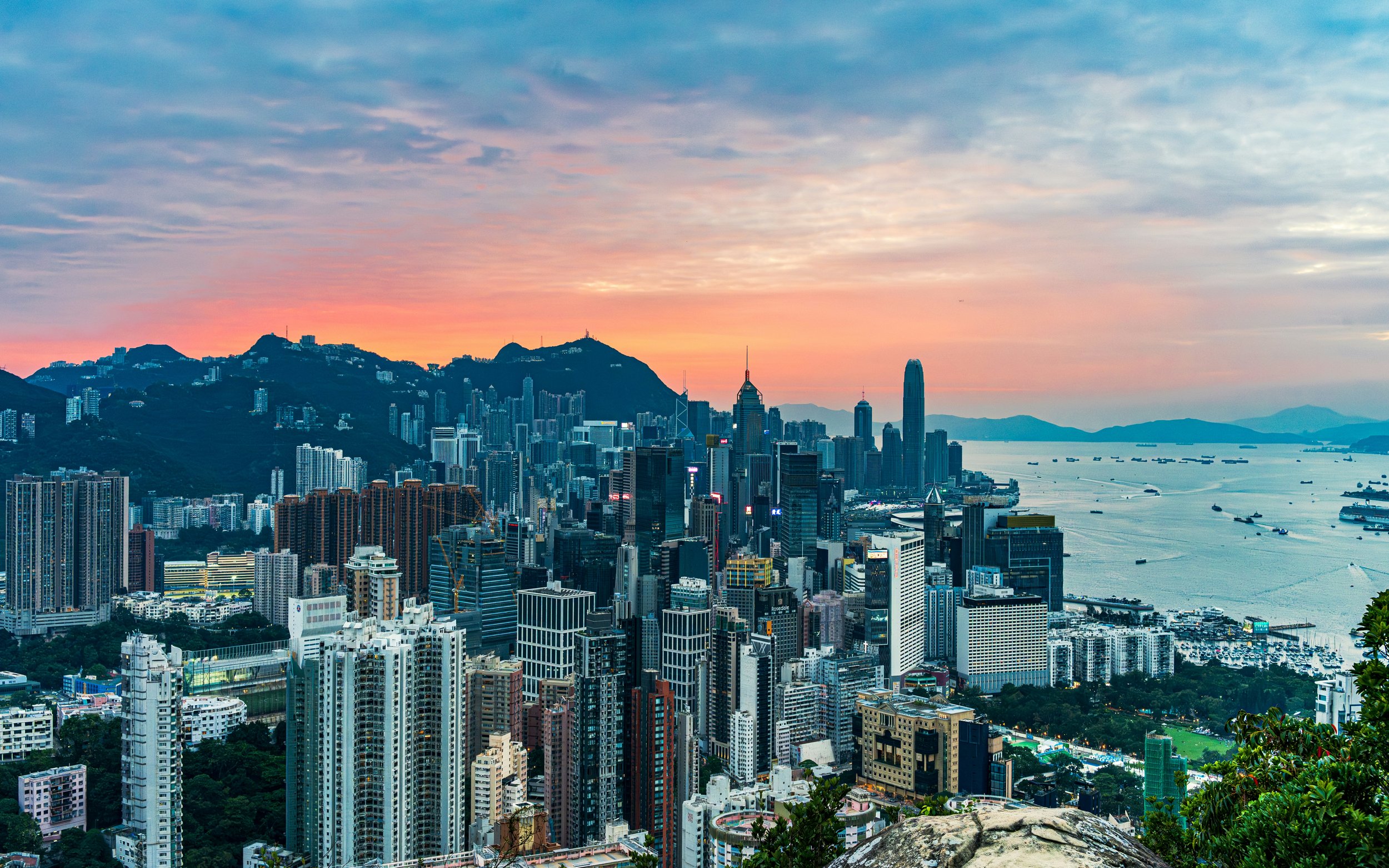
Zheng XUE
In 2019 and 2020, the world witnessed large, occasionally violent, protests in the streets of Hong Kong. A controversial new law to reformat Hong Kong’s political system was under discussion by the city’s executive board. The new law appeared to reduce the freedom of a famous international hub. But are the latest legal reforms for Hong Kong cracking down on freedom, or bringing the city into conformity with other Chinese cities?
Context Is King
Hong Kong was a concession to the British Empire following the First Opium War in 1842. Initially, the Hong Kong area was sparsely populated, but developed into a primary port for British trade with China and a station for the Royal Navy in Asia. After 1900, the city grew into a large commercial hub that benefited from its trade access to the British Empire’s market.
The Japanese military occupied Hong Kong during World War II, but it was returned to British control after the war ended in 1945. After liberation and the end of the Chinese Civil War in 1949, British authorities began to politically enfranchise Hong Kong’s citizens and granted the city greater autonomy within the Empire. Between 1960 and 1990, the city experienced a significant surge in wealth and population, emerging as one of the wealthiest cities in the world and Asia. The reason for this growth was Hong Kong’s unique legal structure and economic system, which enabled greater foreign investments and allowed the city to become a hub for international capitalism. With its own currency, passports, and hybrid culture, Hong Kong is a city defined by its lack of parallels to any other city in the world. This uniqueness has been the key to its place among the most developed cities in the world.
The Japanese military occupied Hong Kong during World War II, but it was returned to British control after the war ended in 1945. After liberation and the end of the Chinese Civil War in 1949, British authorities began to politically enfranchise Hong Kong’s citizens and granted the city greater autonomy within the Empire. Between 1960 and 1990, the city experienced a significant surge in wealth and population, emerging as one of the wealthiest cities in Asia and the world. The reason for this growth was Hong Kong’s unique legal structure and economic system, which enabled greater foreign investments and allowed the city to become a hub for international capitalism. With its own currency, passports, and hybrid culture, Hong Kong is a city defined by its lack of parallels to any other city in the world. This uniqueness has been the key to its place among the most developed cities in the world.
Hong Kong's unique legal status derives from a 99-year lease granted by the Chinese government to the British Empire; this lease was due to expire in 1997. The great wealth and highly networked population of Hong Kong made the Chinese government unwilling to renew the lease. By the 1990s, China was undergoing an economic renaissance through its limited market reforms and pivot to an export-focused economy. Hong Kong’s reintegration with mainland China was seen by many as a symbol of China returning to the world stage and the unofficial end of the British Empire. The UK-PRC agreement on Hong Kong provided a 50-year window to retain the internationalized free market capitalist system, a major factor in the city’s economic vitality and growth. This system has been preserved, but as with its municipal democracy, the future is uncertain.
The Last British Empire Garrison Leaves Hong Kong At Midnight July 1st, 1997
Since the end of World War II, Hong Kong has had limited democratic control and popular elections for the city’s executive council. The power of China’s government was limited or non-existent within Hong Kong, and it enjoyed a near-independent status. After the official handover in 1997, Hong Kong’s legal independence has been slowly unravelled. As part of the handover agreement, the Chinese government would keep the city-state’s legal and economic systems until 2047. However, Hong Kong has been subject to increasing repeals of its unique legal protections and independence; yet, the city only enjoyed these freedoms due to its relationship with an outside imperial power. As China seeks to remove the traces of its colonial history, relics like Hong Kong and Macau are increasingly anomalous within Chinese society.
The Favored Son
Unlike Hong Kong, other large cities in China have limited control over their elections and government. For the rest of China, policing, investment and economic policy are dictated by top-down programs as part of five-year plans and larger legislative moves. Hong Kong has been an aberration to this format, yet it is one of the wealthiest cities in China and the world. Hong Kong is also a general representation of the free market capitalist system, with high levels of inequality and an economy based on financial markets. To the Chinese Communist Party, Hong Kong cannot remain a Special Administrative Region indefinitely, other than in name alone. The dichotomy between Hong Kong and other Chinese cities will only create tension within Chinese society, as the internet and popular culture easily highlight the greater freedoms and privileges granted to Hong Kong citizens. If one city can have these freedoms, why not the rest? To the central government, Hong Kong’s special status must be contained within its borders, and those privileges need to be stripped away to make Hong Kong just another city in China. The existence of its wealth and democratic traditions would only inspire calls to implement its system of government in other areas.
The contributing factors behind Hong Kong’s economic success will also spur its decline. As an international finance hub, Hong Kong was attractive because its small physical economy forced it to incentivize investment and create laws that benefit companies that base their headquarters within the city. Combined with its use of British law, a currency tied to the US dollar, and friendly international relations, Hong Kong created its image as a business friendly city-state that could serve as a platform for international trade or finance. Hong Kong’s unique legal status made it stand apart from the rest of the world, an aspect that served it well for the last half-century. Now that Hong Kong is being brought back into a world of sovereign nations and centralized governments, its unique charm that brought prosperity will fade away. To the Chinese government, the loss of Hong Kong’s status as a hyper-wealthy centre of economic gravity is the price for settling the century-old wounds of colonial imperialism. It seems that pride is heavier than gold.
All For One, And One For All
While a Western eye may admire and advocate for Hong Kong retaining its special status, it is important to consider how the lasting status of Hong Kong reminds the Chinese people and government of its troubled history with imperial powers. The efforts to strip Hong Kong of its special status are part of a larger effort to “fix” the remnants of China’s “century of humiliation” at the hands of Western imperial powers.
The great power and wealth of Hong Kong is a lasting contradiction to the Chinese Communist Party’s ideology of a centrally planned economy being the superior form of economics. Hong Kong’s affluence and self-determination. With many Chinese cities becoming the envy of the world, Hong Kong is no longer a singular vision of a highly wealthy urbanized China. The economic model of China is a centralized hybrid, with directives from the central government being deployed, with limited freedom of implementation granted to provinces and large cities. Each part of the state is to contribute to the larger plan for the nation, not just for the success of individual regions or cities. Hong Kong’s success had been contained within itself, the amazing growth and wealth not meaningfully contributing to the greater whole of China. To those within Hong Kong, this situation was a source of great quality of life. To those without, it was the source of great resentment. While the citizens of Hong Kong may despise efforts to homogenize its laws and culture with the rest of China, it was the inevitable outcome for a city of paradoxes.
