
China View: Why Xinjiang Kazakhs Cannot Easily Leave China?
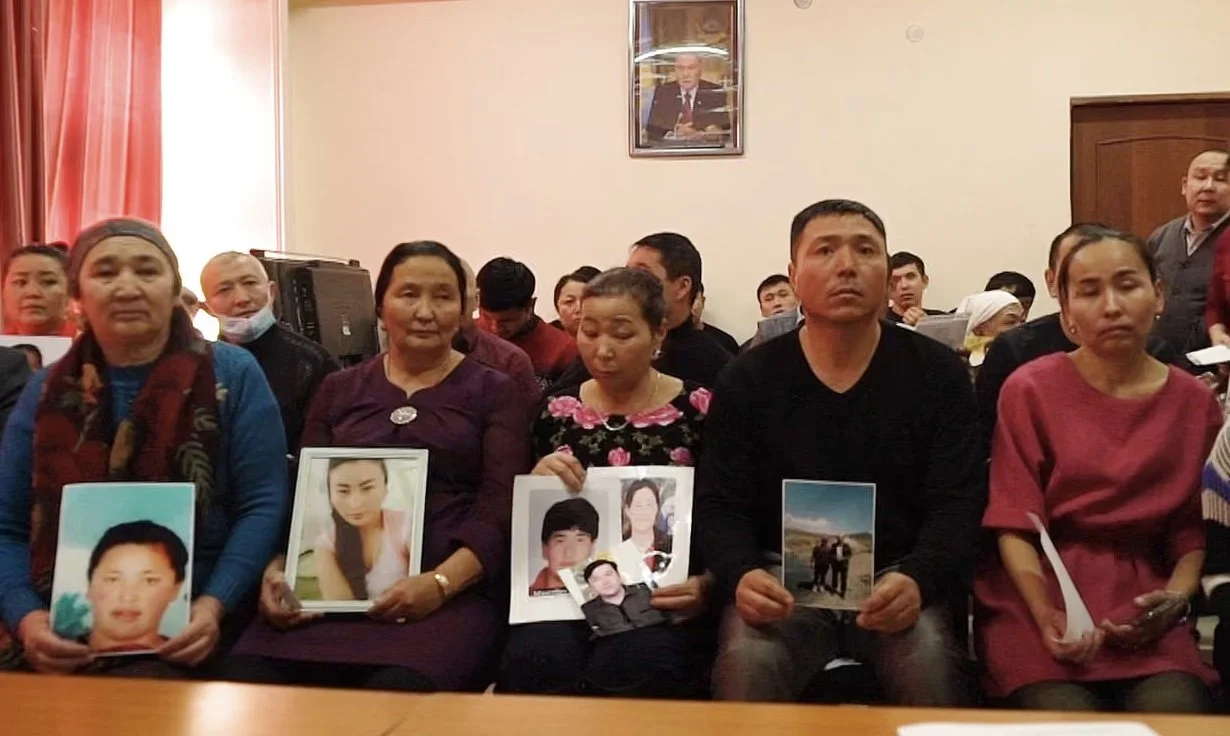
There are 56 officially recognized ethnic minority groups in China. Xijiang, the Northwestern province in China, is home to several varying ethnic groups including Uyghurs, Kazakhs, Huis, Mongolians, and Tajiks. Since 2014, the Chinese government has required that Kazakhs who wish to move from Xinjiang to Kazakhstan provide documents, certified by Beijing and necessitating a return to China, to continue in the migration process and settle in Kazakhstan Kazakhstan. The conflict behind these bureaucratic processes is rooted in how many Kazakhs feel limited in their identity and ethics due to the government's policies, prompting their desire to leave as they seek to preserve their cultural identity and avoid persecution that threatens their way of life.
Adil Semeykhanuly is a Kazakhstani man who has been sentenced to six and a half years in prison in China’s Xinjiang region. The Chinese government accused Semeykhanuly of misinterpreting the teachings of the Kazakh poet Abai Kunanbaev (1845-1904). Kazakhstan reports that four language editors and cultural researchers were sentenced for the same reasons, despite the absence of an official Chinese report.
The Kazakh people are the third largest ethnic minorities in Xinjiang. A nomadic people from Central Asia, Kazakhs have migrated and grazed in the Tianshan and Altai Mountains since ancient times. After Zuo Zongtang, an army officer of the late Qing dynasty, recaptured Xinjiang, the Qing Dynasty and Russia delineated the border, designating the area of Kazakh activities in Xinjiang as Chinese territory. Despite the ethnic and religious differences between the Kazakhs and Han Chinese, historical factors forced the Kazakhs to maintain cross-border ties with their relatives in Kazakhstan. With China's recent strengthening of border control in Xinjiang, many people have gone missing, been arrested or detained, or been forced to undergo "re-education.”.There are many reasons for Kazakh migration from China to other countries, including ethical norms, family reunions, and cultural ties. In 2019, Kassym-Jomart Tokayev became the President of Kazakhstan, and Kazakh-Chinese relations reached new heights. Economically and politically, Kazakhstan and China adhere to cooperation and the principles of friendly neighborliness, with China becoming the second-largest exporting country to Kazakhstan. In December 2025, Kazakhstan's exports to China totaled $1.66 billion, while imports amounted to $3.19 billion, yielding a negative trade deficit of $1.53 billion; these numbers indicate that Kazakhstan would hesitate to soil its relationship with China. The Kazakhstan government touts the migration numbers from China, and also cooperates with the Chinese government to secure the Kazakhs who seek political asylum.
Ili Kazakh Autonomous Prefecture
Economic stagnation directly contributes to migration pressures in the region, exacerbating the challenges faced by ethnic minorities, particularly as limited job opportunities in local industries force many to seek better prospects elsewhere. According to the China 5th National Economic Census, the Ili Kazakh Autonomous Prefecture economy relies on local government, the hospitality industry, and services, which provide limited upward mobility, particularly for young workers in rural and ethnic minority communities. These industries provide limited upward mobility, particularly for young workers in rural and ethnic minority communities, contributing to the challenges faced by individuals seeking better opportunities.
The growing importance of the Central Asia economy for China directly contributes to migration pressures in the region, exacerbating the challenges faced by ethnic minorities, particularly as limited job opportunities in local industries force many to seek better prospects elsewhere. “Go West” becomes the trend of the young generation in Xijiang, which may indirectly drive the Kazakhs to leave Xinjiang to seek better work opportunities.
Legal Challenges
The tension that minorities in Xinjiang are facing has become more challenging. According to data from the Xinjiang High People’s Procuratorate, more than 540,000 people have been prosecuted since 2017, under the government’s “Strike Hard Campaign." For many Uyghurs in Xinjiang who are Muslim minorities, including ethnic Kazakhs, the “Strike Hard Campaign” has contributed to raising concern about minorities' religious and personal freedom.
According to reports, 19 ethnic Kazakhs originally from China’s Xinjiang Uyghur Autonomous Region (XUAR) are facing ten years' imprisonment for what has been dubbed a peaceful protest, indicating the region’s minority group is not only Uyghur but also Kazakh, facing human rights abuses. Due to the relationship between the two nations, Kazakhs in Xijiang who want to immigrate to Kazakhstan cannot easily obtain documents, complicating their ability to preserve their cultural identity and language in a new environment. This situation highlights the challenges faced by minority ethnic groups in maintaining their cultural heritage while navigating complex geopolitical relationships.
When Legal Documents Become A Barrier To Migration
The Hague Apostille is a document legalization system established by the 1961 Hague Convention, allowing official documents of one country, such as birth certificates and passports, to be used in member states as long as they are stamped with an apostille. In 2023, China joined the Hague Convention, and Chinese citizens use Hague documents with an Apostille stamp in Kazakhstan. If Kazakhs migrate to Kazakhstan, they have to apply Kandas Status, while Kazakhstan government requires Chinese Kazakhs submit the documents which only be issued in China. When Kazakhs from Xinjiang migrate to Kazakhstan and apply for Kandaş (ethnic returnee) status, they are required to have their application documents certified by the Chinese Hague Convention, and applicants must return to China to process their applications, which poses considerable risks that the Chinese government might confiscate their passports.
In 2024, the United Nations Human Rights Office’s Ravina Shamdasani called on the Chinese government to strengthen the protection of ethnic minorities from a human rights perspective and shield them from discrimination. However, two years later, the human rights situation of ethnic minorities in Xinjiang has not improved, as reports continue to indicate ongoing discrimination, surveillance, and restrictions on cultural practices. On March 12, 2026, the National People's Congress of China passed the "Law on Promoting National Unity and Progress." The document aims to "strengthen the sense of community among all ethnic groups of the Chinese nation" and calls for giving "priority" to Mandarin when used alongside minority languages. It also demands that any actions that could undermine "ethnic unity" are unacceptable. Many experts are concerned that this legislation will exacerbate the already challenging situation of ethnic minorities in Tibet and Xinjiang, further escalating tensions by increasing restrictions on cultural practices and language use.
Conclusion
The human rights problems of Xinjiang Kazakhs reflect the challenges faced by individuals with identities spanning national borders. The political and economic cooperation between Kazakhstan and China cannot fully compensate for the deep emotional longing of Kazakhs in Xinjiang for their homeland, Kazakhstan, due to the strong cultural and historical ties that bind them to their ancestral land. The situation of Xinjiang Kazakhs underscores a significant challenge in Eurasia: managing communities with identities that span national borders poses intricate questions for modern states. Addressing the cultural, social, and political needs of these communities while maintaining nat
