
Across ANZ: Temporary Migrants Uphold The New Zealand Workforce
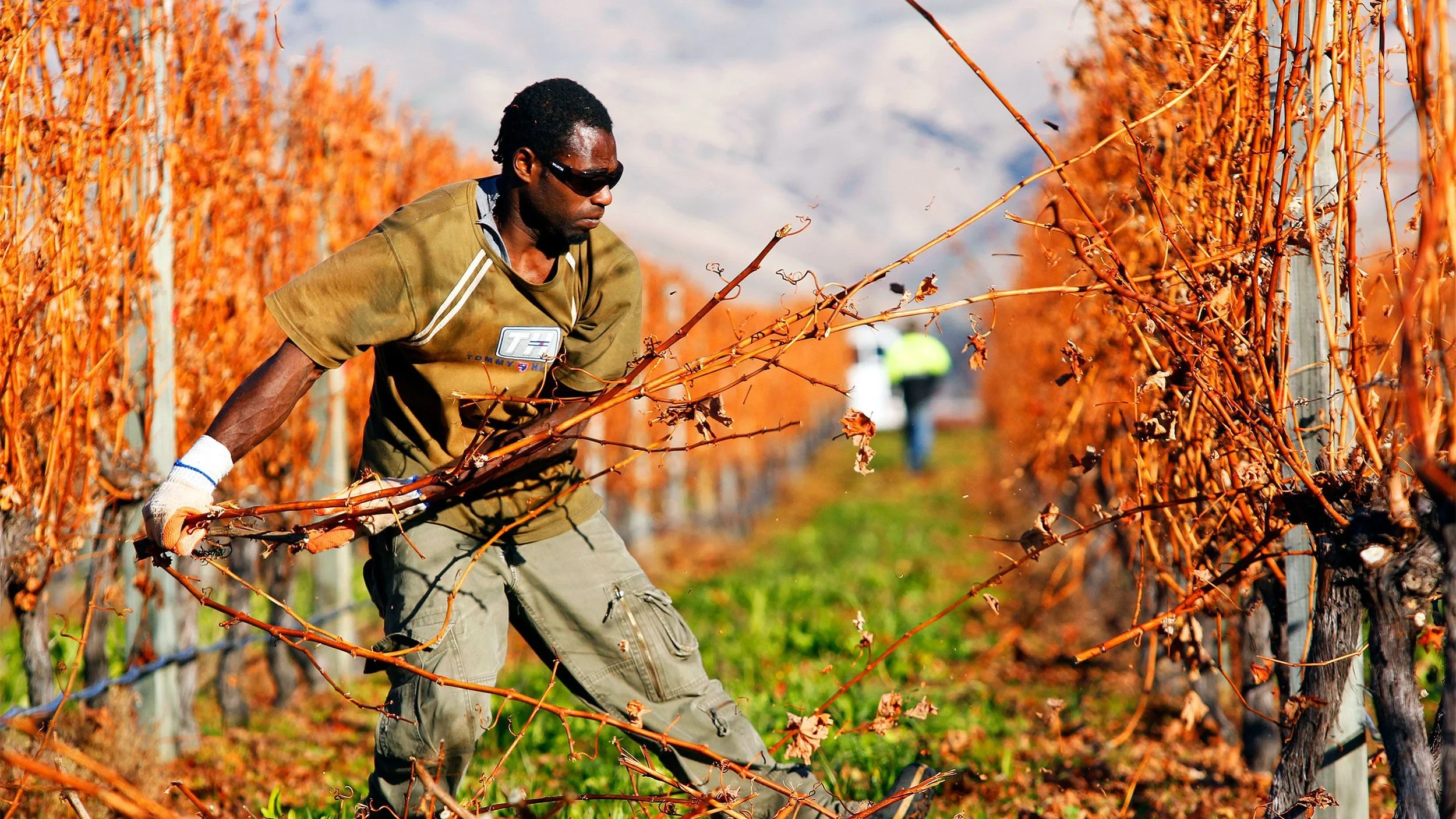
New Zealand relies heavily on migrant workers to help support key sectors of their economy. Due to a decreased birthrate and an aging population, workers from abroad are necessary to fill vital positions in agriculture, construction, healthcare, and various other industries. One key point to note is that many of these migrant workers only reside in New Zealand temporarily, arriving with temporary work visas and returning home at the end of their contracted work. Having such a transient population that is so essential to the economy has been an important point of discussion within New Zealand political discourse.
The New Zealand immigration department has approved over 185,000 Accredited Employer Work Visas since they began issuing them in 2022. These visas are the primary visa type utilized by temporary migrant workers in New Zealand, allowing them to stay in the country to work for up to five years. This system ensures that visa holders may only be hired by accredited employers in industries lacking a sufficient workforce, allowing for temporary migrants to find work in necessary fields while still prioritizing the hiring of native New Zealanders for industries that do not require outside labor.
The Need For Temporary Migrant Labor
There have been many New Zealanders who expressed concern about the growing number of temporary migrants in the country. However, the New Zealand Productivity Commission found that the increase in migrant workers has produced more benefits for New Zealand citizens than drawbacks. In fact, the commission found that the use of temporary migrant workers to bolster the economy has been an overall positive for New Zealand citizens, improving wages and increasing access to skilled laborers across the country.
With New Zealand’s aging population calling for more and more migrant workers due to labor shortages, the percentage of temporary workers in the country becomes larger year over year. As temporary workers become more essential to the New Zealand economy, it is essential that this large population of non-citizen residents have a clear understanding of their rights and position in New Zealand society. The Ministry of Business, Innovation & Employment has worked to help migrant workers better understand their own rights, with notable increases from 62% to 74% between 2021 and 2025.
Percentage of Migrant Workers Who Confidently Understand Their Rights
Despite more temporary migrants having a grasp of their own rights in New Zealand, there has still been a major problem with migrant exploitation within the nation. Most notably among seasonal migrant laborers from Pacific nations, who are able to stay in New Zealand for seven to nine months to help mitigate seasonal labor shortages in agricultural industries. Due to more lax regulations on these short term migrant workers, they are far more susceptible to exploitation, with some 8,000 workers being classified as modern slaves under the Global Slavery Index. The most notable instance of modern slavery in New Zealand took place five years ago, when Joseph Auga Matamata was convicted of thirteen charges of slavery and ten charges of human trafficking for forcing thirteen Samoans to New Zealand to do unpaid labor for him and not allowing them to leave. This case brought about much more regulations regarding the treatment of migrant workers in the country, such that such an incident could not occur again.
How New Zealand is Adapting
Due to temporary migrants not being citizens of New Zealand, they do not have the same political privileges that New Zealand natives or permanent migrants may possess. Although temporary migrants are so essential to the economy of New Zealand, they are often subject to various legal vulnerabilities due to the nature of their visa statuses. They are subject to social inequalities and oftentimes unfair working conditions, yet lack the political power to speak out and call for improvements in their own conditions. The system established for temporary migrant workers benefits New Zealanders greatly, yet also relies on workers with no political authority to speak out against injustices affecting them.
The New Zealand government has taken actions to better protect the legal rights of migrant workers, offering hotlines and pathways for migrant workers to get help when they are being exploited. Additionally, the government has announced plans to change the punishment for exploiting migrants from a seven year maximum sentence to a ten year one as of March, 2026. This increased punishment was meant to help dissuade employers from exploiting migrant employees, further protecting them from poor conditions.
A New Norm
New Zealand is by no means moving away from their need for migrant workers, and the New Zealand government recognizes this fact. It is imperative that New Zealanders embrace temporary migrants, as they will come to make up a more and more essential part of the nation's economy if current trends are to continue. New Zealand’s natural population increase over the years has decreased, with fertility rates barely staying ahead of death rates, leading to only about a 20,000 net increase in population from natural causes each year. In contrast, net migration data shows many, particularly from Asia and the Pacific, are choosing to make New Zealand their home.
As migrants become a more and more crucial aspect of New Zealand overall, temporary migrants follow a similar trend. Each year there have been more temporary migrant workers than the last, and their presence helps to better New Zealand as a whole. If the rights of these temporary migrants are not better addressed in the future, it is certain that instances of exploitation will continue and perhaps worsen as the number of temporary migrants continues to rise.
