
tian Jin
In Macau, according to the Land and Urban Construction Bureau (DSSCU), complaints about illegal construction projects increased nearly 33% last year. Out of the 2,153 complaints recorded in 2025, 81% of the cases are related to illegal works such as unit renovations without permits, rooftop structures, balcony additions, and illegal platform structures. DSSCU emphasized the growing number of commercial shops to renovate their spaces without applying for a construction permit or submitting required documents. Furthermore, the complaints on dilapidated buildings surged. People worry about falling plaster, tilted walls, collapsing roofs, and loose illegal structures.
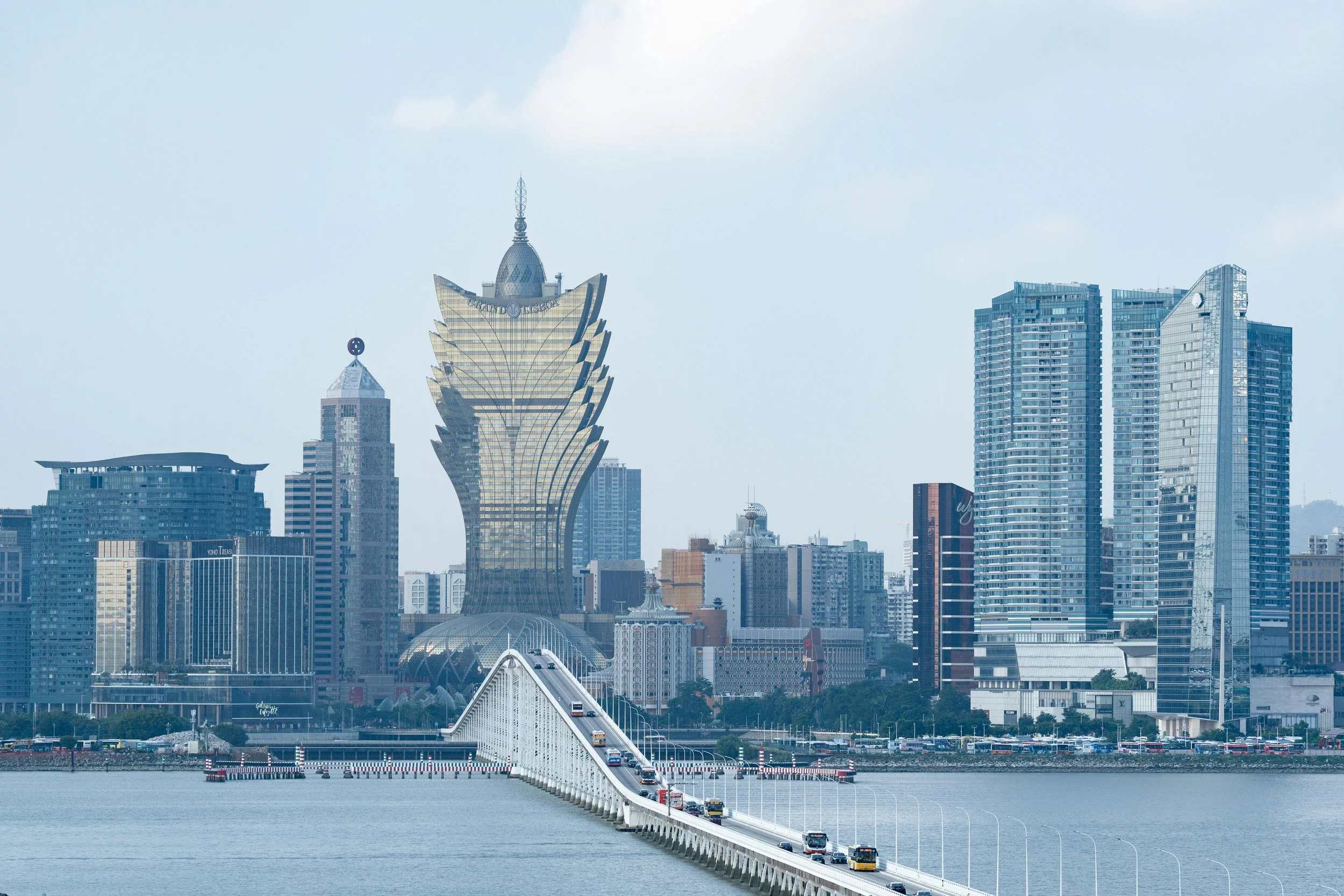
Macau’s illegal construction problems are often discussed in the context of the city’s severe housing pressure and limited urban space. As one of the most densely populated regions in the world, Macau has an estimated population density of more than 21,000 people per square kilometer. In comparison, Hong Kong’s density is approximately 6,900 people per square kilometer, while New York City’s number is around 11,000 people per square kilometer. Consequently, Macau is frequently ranked as the world’s most densely populated region.
Specifically, illegal rooftop construction is a cmof limited living space, especially in Macau’s older neighborhoods. In those areas, illegal rooftop extensions are often created as families’ decisions out of economic necessity to attempt to maximize their limited living spaces. A 2026 report shows that one building alone contained 15 illegal rooftop structures, despite legal restrictions and safety concerns.
Macau’s History of Public Housing
Macau is known for its tight housing, large population, and high housing prices. It has a unique historical and economic background. Tertiary industry, being the segment of an economy that provides intangible services rather than producing physical goods, is the largest portion of the global economy. More than half of Macau’s tertiary industry focuses on tourism and gambling. In 1999, Portugal officially transferred the sovereignty of Macau to the People’s Republic of China, and Macau embraced the status as a Special Administrative Region (SAR). With a high degree of autonomy, Macau operates its independent taxation systems, monetary systems, and legal institutions. In the early 2000s, Macau saw great economic growth, with the local government opening foreign investment and liberalizing the city’s casino industry. As a result, demand for both commercial and residential space substantially increased.
The demand was partially driven by immigration, which has shaped housing pressure and urban development of Macau throughout the twentieth century. Starting in the 1950s, large numbers of people from mainland China migrated to Macau due to various reasons, such as economic hardship and political instability. For instance, in the 1960s alone, Macau experienced a positive migration balance of roughly 56,000 to 57,000 migrants.
Pushed by the pressure to improve the living environment, the government built many temporary housing centers from 1968 to 1992. From 2000 to 2004, due to inflation, rising housing prices put low-income families to a more vulnerable position. Fai Chi Kei Social Housing, Fai Chi Kei Social Housing, and Qingzhou Social Housing were built successively, alongside 400 new units and 736 elderly housings. Specifically, Fai CHi Kei building provides a total of 884 units, with around half of them included accessible infrastructure such as wheelchair evacuation ramps, wider doors, lower switches, and 24-hour emergency assistance services. According to officials, this housing project was aimed to alleviate the housing difficulties faced by low-income families and elderly residents. However, the housing supply gap still persisted, characterized by overcrowding and housing shortages. Demand continued to outpace supply, and informal or illegal housing practices increased in the city.
From 2011 to 2014, Macau implemented their development plan of the “Public Housing Project of Macau”, and, starting in 2015, the city shifted to a stage of sustainable development of public housing. Aiming to amend financial hardship of low-income individuals, households with income that fall beneath the legally stipulated level became the central target of public housing programs.
Housing Prices in Macau
Considering the territory’s size and income levels, housing prices in Macau remain among the highest in Asia. According to Macau’s Statistics and Census Service (DSEC), the average transaction price of residential units in 2025 was approximately 70,935 patacas (around US$8,800) per square meter. In districts like Taipa and Coloane, the price goes over 80,000 patacas. Although Macau’s housing market has been going downhill since the pandemic, property costs remain extremely high for many residents, due to limited land supply and the city’s densely populated situation.
Renting apartments in Macau is also expensive. A normal one-bedroom apartment in central Macau typically costs around 10,000 to 12,000 patacas, which is approximately up to $1,500 per month. Subdivided apartments are a common housing situation. Meanwhile, researchers found that the gap between wages and property prices are reasons leading to overcrowding and subdivided apartments, which some further develop into informal housing adaptations in the territory’s dense urban environment.
Reflection
Law No. 14/2021, the “Urban Construction Legal Regime” in Macau, came into effect in 2022. Recently approved in May 2026, Macau announced its modification on Law No. 14/2021 through the passage of Law No. 6/2026, expanding the government’s authority over urban construction and illegal works, especially regarding commercial establishments, rooftop structures, and construction licensing procedures. For instance, the government gained the right and ability to suspend water and electricity supplies to illegal structures. Fines were increased for any unauthorized building actions as well.
However, Macau’s illegal construction problems reflect more than issues of individual violation in the needs of urban regulations and law enforcement. Behind rooftop structures, subdivided apartments, and unauthorized renovations lies deep and long-existing anxiety and stress driven by overcrowding, housing inequality, and the pressures of living in one of the world’s most densely populated regions. Despite decades of public housing development, demand for affordable and adequate living space continues to exceed supply.
In the end, the surging complaints on illegal construction alongside the constantly increasing statistics of illegal building highlight many concerns. Beyond those on safety, it serves as a window to dive into the broader social and economic challenges shaping everyday life in Macau today.