
Across ANZ: Diphtheria Outbreak Causes Both Disease and Misinformation To Spread
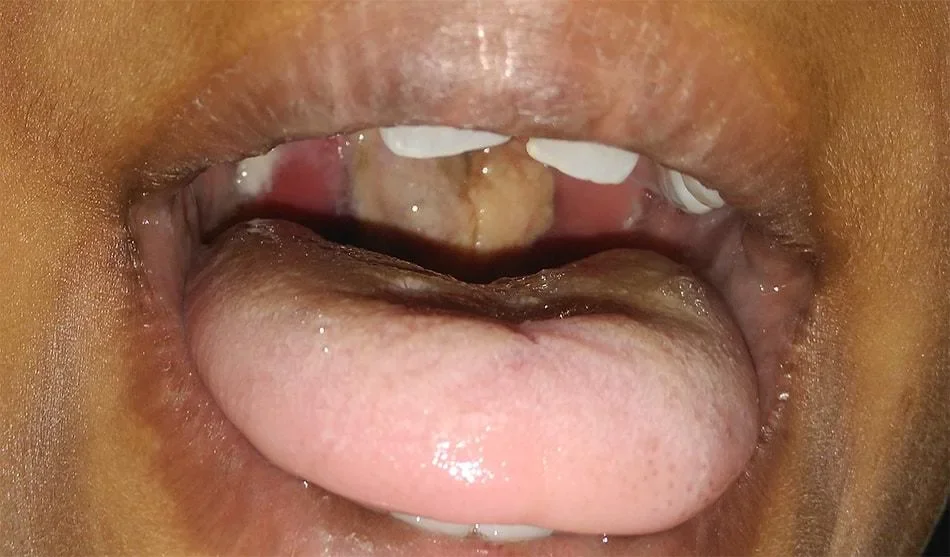
In March of 2026, Australia’s Northern Territory declared an outbreak of Diphtheria. As of writing, there have been 245 reported cases, including some within Western Australia, South Australia, and Queensland, this makes the present outbreak the largest Australia has seen since 1991. On May 26th, 2026, the first reported death from this outbreak occurred, greatly increasing public fear and leading to the government to further urge individuals to renew their vaccinations.
The Australian Government has made an official statement regarding the outbreak, declaring it a Communicable Disease Incident of National Significance. Additionally, the government has announced a $7.2 million AUD Commonwealth-funded Diphtheria Response Plan, with a majority of funds going towards Aboriginal communities. These communities have been disproportionately impacted by the outbreak due to lower rates of vaccination and lack of modernized healthcare systems. Aboriginal communities are provided healthcare by Aboriginal Community Controlled Health Organizations, which are operated by local Aboriginals and provide holistic care to these communities. The government has vowed to work with these organizations to better protect them against the outbreak.
Although the government has made a concerted effort to combat the outbreak, the lack of greater response to the issue by the Northern Territory government has led to backlash from these communities. In Yuendumu, a remote community within the Northern Territory, locals have reported about 30 cases of diphtheria. The government has initiated vaccination campaigns, including door-to-door outreach in hopes of improving vaccination rates in the community. Despite this, individuals within the community have called on the government to do more, including proper confirmation of case numbers in the community, as well as more frequent and direct messaging regarding the status of the outbreak. Many in the community have been deeply disappointed, as the impact on Aboriginal peoples is so great, yet the response from the government has not met the standards set by previous disease outbreaks.
It is very difficult to support these remote Aboriginal communities, as they have small populations that lack proper healthcare resources, and Australia as a whole lacks healthcare workers willing to travel to these communities to help diagnose and treat those who have contracted diphtheria. Additionally, healthcare workers who have been sent to support these communities have been made to receive diphtheria vaccine booster shots. These booster shots are included in the budget of the aforementioned response plan set out by the government.
The National Center for Immunisation Research and Surveillance (NCIRS) has put out a statement urging individuals to receive boosters or, in the unlikely case that they are unvaccinated, to receive the vaccine for the first time. The NCIRS also displayed statistics regarding the former mortality rate of diphtheria, being around one in ten prior to the vaccine’s implementation. These rates plummeted following the standardization of the vaccine, with only four reported diphtheria deaths occurring in Australia between 1999 and 2025. The NCIRS also pointed out that many Aboriginal peoples may not be up to date with their booster vaccines, leading to increased susceptibility to diphtheria, as seen with this current outbreak.
Falsehoods Spread Like Plagues
While the government has been working to properly communicate with citizens regarding the status of the outbreak and how to properly fight against its spread, misinformation about the situation has been spreading just as quickly. Numerous different narratives regarding how this outbreak came to be and who is to blame rapidly circulated, many of which bringing with them harmful rhetoric towards certain groups. Health Minister Mark Butler has spoken out regarding the spread of these narratives, relating them to similar instances during the COVID Pandemic.
“There is a lingering legacy of vaccine hesitancy that flows from COVID-19 and frankly also from some of the misinformation and disinformation you see online.”
Many of the existing narratives pin the blame for this outbreak on immigration, however the locations in which this outbreak is occurring serve to disprove this belief. With the outbreak being seen in remote areas with high indigenous populations, it is clear that migrants are not to blame.
Another popular narrative that existed was that anti-vaccine sentiment was to blame for the outbreak. Following COVID, there has been an uptick in skepticism towards vaccines, leading to some neglecting to keep up to date with necessary booster shots. This can again be disproven by the location of the outbreak, with Aboriginal communities oftentimes being out of date with vaccinations not due to opposing them, but rather difficulty in accessing them. While it is true that individuals not up to date with their booster vaccinations are at increased risk of contracting diphtheria, the blame cannot be placed on them for the start of this outbreak.
There has also been a notable crowd online spreading the belief that vaccines are harmful and should not be taken at all, despite the repeated messaging from the government. This belief is wholly untrue, even more so for the diphtheria vaccine, which has been used in Australia since the 1920s according to the NCIRS. The diphtheria vaccine had been used for over a century, and in that time it has helped to drastically decrease the threat the disease poses to people.
There has been significant effort on the side of the Australian government to continue their communications regarding the outbreak in order to dispel misinformation and provide citizens with the facts needed to properly combat diphtheria’s spread. Proper messaging has been the best way for the government to avoid harmful rhetoric spreading and to ensure citizens are aware of the facts regarding the outbreak.
