
China View: Chinese Teenagers Addict To AI Valentine. Why Does Beijing Restrict AI Companions toward Youth?
A Friend Who Never Judges
"An AI chatbot won't blame me when I am talking to him." The student elaborated on his thoughts on AI. AI patiently listens to him, never imposing blame. The AI dialogue system provides real-time, low-cost feedback to teenagers and children, reducing the risk of social anxiety that accompanies real-life situations.
A second-grade elementary school student said. The United Nations' data from 2020 indicate that left-behind children in China comprise a total of 66.93 million children under the age of 17. Providers of humanized interactive services are forbidden from providing virtual relatives, companions, or other intimate relationships to minors as per the regulations.
In January 2026, the Chinese government announced the official implementation of the "Interim Measures for the Administration of Humanized Interactive Services of Artificial Intelligence." The regulation explicitly prohibits artificial intelligence services involving virtual relatives, virtual companions, and other virtual intimate relationships for minors. As AI-generated content increasingly blurs the lines between reality and fiction, the Chinese government is placing a high priority on media literacy education for youth. Simultaneously, however, on March 10, 2025, Heihe City, located in the northeasternmost part of China, launched an AI robot for neglected rural children.
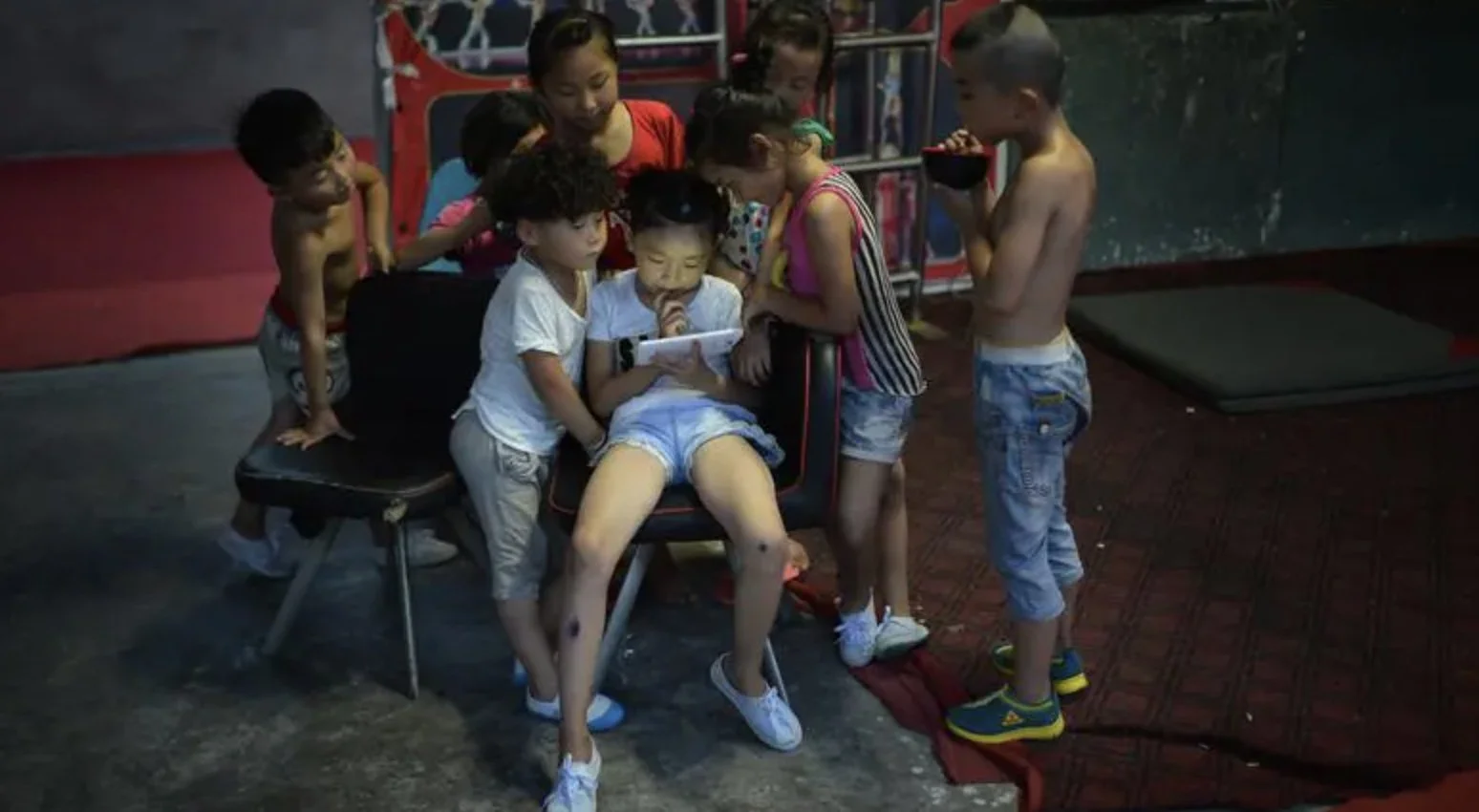
The Realities of Virtual Companions on Neglected Children in China
Under the rapid use trend of virtual companions in China, real social interaction has been marginalized, as teenagers are gradually relying on these AI companions, undermining their social skills in the real world. Many parents leave the countryside to seek higher-paying job opportunities in the cities for their livelihood, leaving their children in rural areas. This results in children being unable to receive adequate emotional support from their families, which can lead to negative psychological effects and hinder their overall development.
According to the Peking University China Family Panel Studies, the relationship between families and teenagers aged 16 to 20 has declined by 4.4%, indicating that Chinese teenagers increasingly rely on artificial intelligence companions due to their lack of closeness with family and feelings of alienation from society.
Zhang Peng, an expert and member of the Positive Psychology Committee of the Chinese Psychological Society, pointed out that excessive reliance on AI among adolescents can lead to difficulties in facing real-life conflicts, such as challenges in communication and problem-solving skills that are critical to navigating social interactions.
The study addresses the issue of internet addiction among neglected children in rural areas specifically. The data indicates that 33.4% of neglected children aged 0-6 use mobile phones or tablets for more than an hour on weekends. In the survey of left-behind children aged 7-16, 38.7% used mobile phones or tablets for more than one hour on weekdays, and 80.7% did so on holidays. Douyin and Kuaishou were the most popular social media apps.
More time online, thus, leaves children more vulnerable to becoming addicted to AI. It also shows how hard it is for caregivers, like the grandparents of neglected children, to manage what information left-behind adolescents see online because they don't fully understand the internet, which can lead to them encountering inappropriate content and struggling in school, ultimately impacting their growth and well-being.
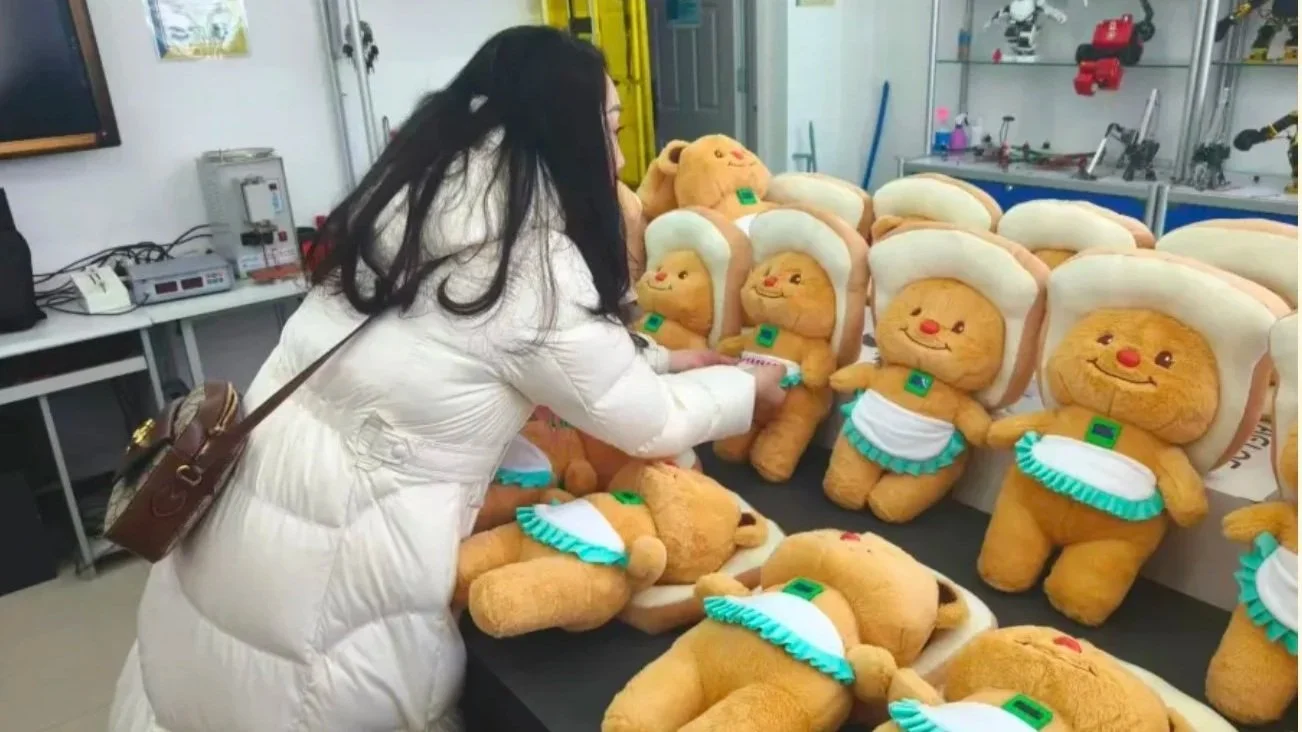
The Distinction Between Law and Local Government: Heihe's AI Chatbot Intervenes for Neglected Children
When the Chinese government issued the legislation that clearly bans AI services related to youth, the Chinese local government, the Heihe City government, introduced the AI chatbot "Zhong Bei Bei" to protect left-behind children, aligning with the Chinese government's enforcement of the Interim Measures for the Administration of Humanized Interactive Services using Artificial Intelligence from March, set to take effect on July 15, 2026. At the same time, in the northeastern city of Heihe, China, the Heihe Family Construction Promotion Association, in collaboration with DeepSee, has independently designed and developed an artificial intelligence chatbot for left-behind children. This proposal aims to reduce the separation anxiety experienced by left-behind children, but it also raises concerns about whether these children may become overly reliant on the AI chatbox.
Rural Realities and Parent Guidance
The Chinese government's imposition of legal constraints underscores the severity of Chinese teenagers' reliance on AI. Although the Chinese government issued the aforementioned measures, challenges arise from factors like social welfare, family situations, and parents' knowledge of AI, creating complexities in safeguarding Chinese teenagers’ use of AI, especially in rural areas where parental guidance may be lacking. This can lead to increased vulnerability to misinformation and inappropriate content online.
The variations in AI usage among adolescents are intricately connected to the environments in which they were raised. Adolescents experiencing difficulties in teacher-student and parent-child relationships tend to seek support from artificial intelligence rather than turning to humans for help, as they may feel more comfortable discussing their issues with a non-judgmental entity that provides anonymity and immediate responses.
Conclusion
Overall, Chinese government restrictions on AI companion services are not simply a reaction to new technology. This problem reflects a broader concern that emotionally responsive chatbots may fill gaps left by family separation, rural-urban inequality, and limited youth mental-health support. The interim measures for administering humanized interactive services based on artificial intelligence in China represent an initial step to mitigate the risks of virtual companionship among Chinese teenagers. Experts at the China Youth and Children Research Center point out that it's challenging to control how all Chinese teenagers use artificial intelligence companions and suggest creating a framework that focuses on understanding, skills, and safety ethics to improve kids' knowledge about AI.
