
Checkpoint: World Cup Sportswashing
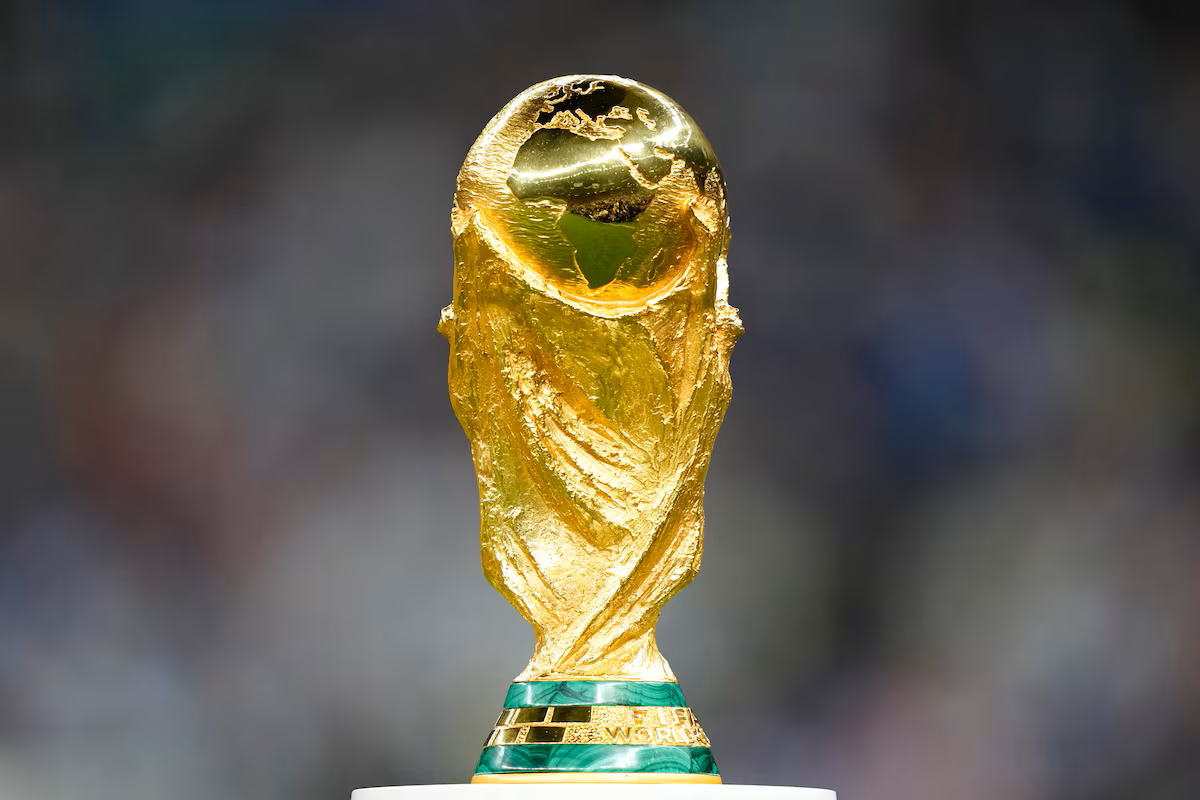
We’re currently in the midst of the 2026 FIFA World Cup. The World Cup is the most watched sporting event globally, and this year runs from June 11th to July 19th. The World Cup is held every four years, and the 2026 tournament is being hosted in cities across the United States, Canada, and Mexico. There’s been quite a bit of press around FIFA’s decision to bring the World Cup to North America, with most of that criticism leveled exclusively at the United States. The international community, for months since this World Cup began, has been accusing the United States of sportswashing.
Sportswashing is the practice of co-opting major sporting events and taking advantage of the public’s love for sports to whitewash that government’s harmful or unpopular policies. Mega sporting events like the World Cup, or for another example, the Olympics, provide an opportunity for host countries to clean up their global public image and to distract from negative press. While the term sportswashing is relatively new and most often used to describe modern autocracies, the practice originated with Nazi Germany hosting the 1936 Olympics. During the 1936 games, Adolf Hitler, by inviting other nations to come and enjoy the sports, food, and culture in Nazi Germany, was whitewashing the Nazi Party’s aggression toward neighboring countries, and their use of concentration camps such as Dachau which, at the time, was primarily interned political opponents, communists, and trade unionists. Later examples of sportswashing include China’s hosting of the 2008 Olympics, which was understood by many as the CCCP’s attempt to repair their image after the Tiananmen Square Massacre. During preparation for those games, the Chinese government displaced over 10,000 people in order to make room for the new stadiums and facilities. In 2018, Russia hosted the World Cup, and, due to widespread reports of North Korean enslaved laborers dying in the process of building the St. Petersburg Stadium, the tournament was dubbed by Human Rights Watch as the “Bloody World Cup.”
Sporting events are a great way for autocratic and violent governments to pacify not only the international community, but also their own citizens. Because sports possess such widespread appeal, events like the World Cup and the Olympics engage the populace and feelings of nationalism, community, and pride in a non-political context. For countries with unpopular and corrupt governments, nationalism directed away from politics is always a good thing. They’d rather host the World Cup than fair elections.
The 2022 World Cup was hosted by the Gulf Nation of Qatar. As instances of sportswashing tend to do, FIFA’s decision to choose Qatar to host the tournament drew abundant criticism. The country spent an estimated $220 billion on 2022 World Cup preparations, and their investments went beyond just building stadiums and facilities for the athletes. The Qatari government built a massive soccer economy. The Qatari news outlet Al Jazeera bought the rights to broadcast important matches, the Qatar government bought Club Paris Saint-Germain, and soccer’s megastars like Lionel Messi, Neymar, and Kylian Mbappé all appeared in soccer jerseys with the Qatar Airways sponsorship logos. The darker side of Qatar’s world cup preparations however, is that between 2010 and 2022, it is estimated that thousands of migrant workers died building stadiums and other buildings for the World Cup. Neither FIFA nor the Qatari government investigated these deaths, and the workers’ families were never compensated. In 2019, David Beckham visited Qatar’s World Cup facilities and praised the country for its “great” and “safe” stadiums and hotels, the same structures built by migrants who were exploited and faced wage discrimination, passport confiscation, inhumane living conditions, and employer and state retaliation to filing complaints.
While the term “sportswashing” is most often applied to the actions of autocracies like Russia, China, Qatar, we’re now seeing the practice crop up in the (ostensibly) democratic United States. In December 2025, just a few months ahead of the World Cup, FIFA’s president Gianni Infantino presented President Trump with the first ever FIFA peace prize. This move was quite contradictory to the reality of the Trump Administration's policies, some of which include, brutal immigration crackdowns, threats to press freedom, the kidnapping of Venezuela’s president Nicolás Maduro, and starting a war with Iran. Even before the games began, the sportswashing was in full swing, and FIFA has been complicit. As the tournament has progressed, Trump’s brutal immigration policies have continued to hassle, abuse, and disenfranchise athletes and fans from around the world travelling to the United States to participate in the games. A referee from Somalia was denied entry to the United States, as were visa and ticket-holding fans from Morocco. Two members of the Iraqi national team were held and questioned for 7 and 10 hours each by ICE, and only one of the two was allowed into the country. The Iranian team was originally barred from staying overnight on U.S. soil. The team was forced to move their camp from Arizona to Tijuana, Mexico, despite all their scheduled matches occurring on the west coast of the United States. A member of Haiti’s team was granted a visa too late and missed his country’s first match. The mother of the Cape Verdean goalkeeper’s request for a visa was denied, though after that goalkeeper gained a huge social media following, the State Department stepped in and obtained the visa for the goalkeeper’s mother. In a statement on the U.S.’s treatment of World Cup visitors, The UN High Commissioner for Human Rights Volker Turk advocated for an overhaul of US immigration policies. He hoped issues around “racial profiling, around surveillance, around immigration enforcement” would not further affect the tournament. To close off the 2026 FIFA World Cup, President Trump will personally present the championship award to the winners of the tournament.
While major sporting associations like FIFA and the Olympics Committee have human rights provisions codified in their charters, they continue to allow events to be held in countries run by autocratic and violent governments. From Nazi Germany to early 2000s China, from the 1980s USSR to Qatar to the United States, major sporting events provide a perfect opportunity to distract from corruption and build political nationalism, and the labor of people from the Global South is exploited to make these games a reality.
