
Carte Blanche: It's Time To Embrace The Unconventionals
Brett Sayles
“Mediocrity would always win by force of numbers, but it would win only more mediocrity.”
- Ellen Glasgow
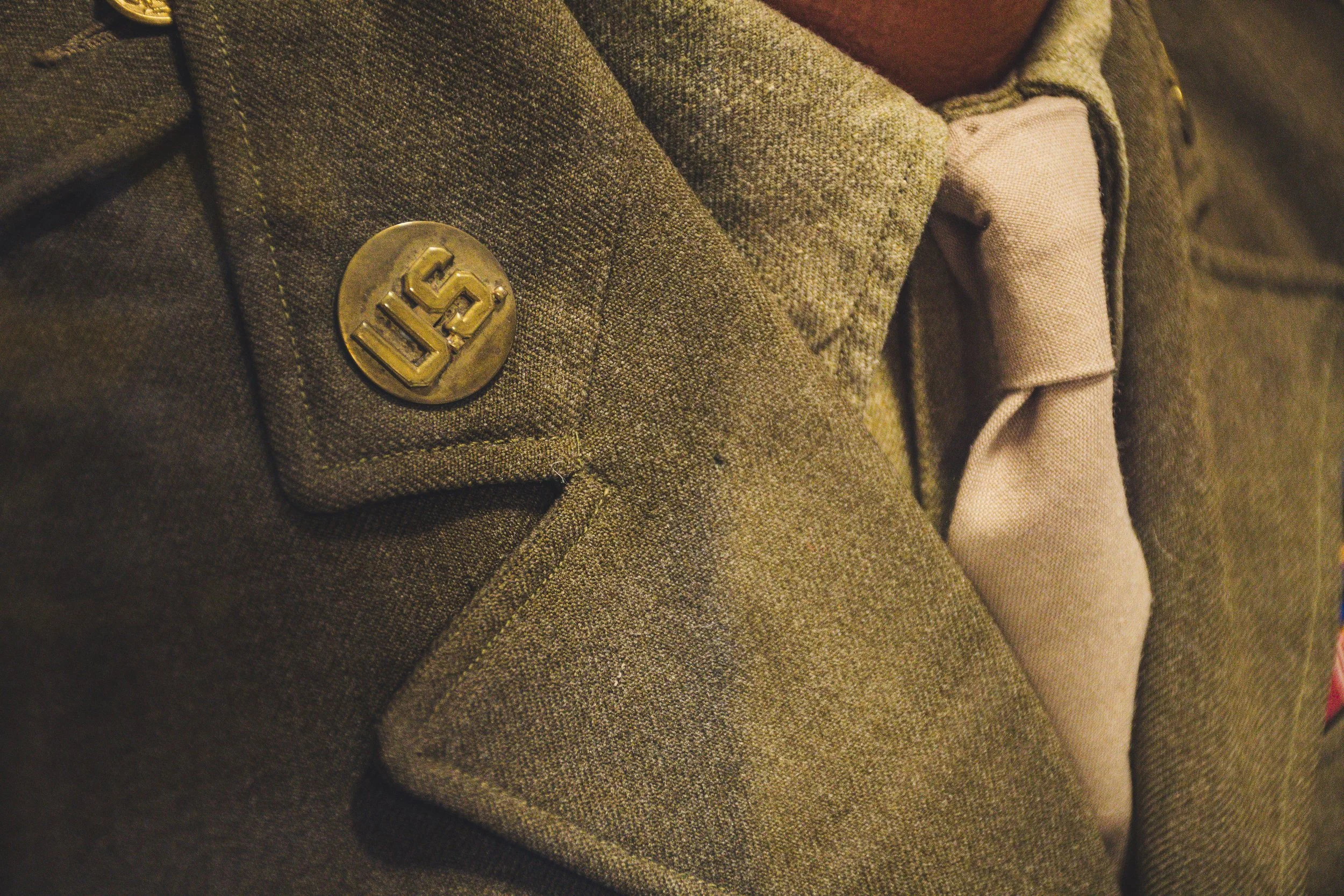
For over 12 years of military and government service, there was never a time when a meeting was held or a decision was made when the room wasn’t filled with credentialed, experienced people. Those who had made their way up the ladder through experience and reaching agreed-upon benchmarks. Their attire was professional, pressed, and ironed. Each had made sure to be both well-groomed and, for the men, clean-shaven with short-cropped hair. Nothing was out of place, and nothing was left to chance, so they believed. If more than a decade of service taught me anything, it's a simple truth: none of them really knew what they were doing. Most of the time, it all boiled down to elaborate dinner theater, following a well-worn path scripted from start to finish.
This is the accepted path of success because it works so well, or so those who achieve high rank and station believe. If it were the case, then why is it that the nation isn’t drowning in resounding and obvious glory and successes? Safety, security, battlefield victories that translate into strategic stability. The answer is far simpler than any of those leaders and decision-makers are willing to admit. It doesn’t create successful or dynamic leaders; promoting those who look and sound the part ensures their personal success and nothing else. For as long as anyone can remember, the country has been on a path of guarantees and limitless victories in every field or endeavor the nation's leaders choose. It would be a course of convention and easily measured gains, without even the ability to consider losses. This is the world that Americans now inhabit, and we are not better for it.
Mediocrity has become something to strive for instead of avoid at all costs. It’s not that people want to intentionally do less or to avoid gaining skills, abilities, or virtues blatantly, but that they want to fit in and gain acceptance. American culture as a whole has become ocified, and its institutions, especially government institutions, have suffered the most from this affliction. No mavericks or savants are occupying high office or command positions in the military. Not only can’t such figures be found, but few, if any, less than fifty or older occupy these positions, let alone senior command roles. It has become ingrained and codified that only after decades of education and experience can anyone be considered for these responsibilities. Logic would dictate that with such standards, those who are chosen are highly capable with a deep well of experience and academic rigor to draw from. Everything that has occurred from 2001 to 2026, with the disastrous withdrawal from Afghanistan and the current quagmire in Iran as prime examples, proves that to be categorically untrue.
During the great COVID-19 pandemic, I had the opportunity to reflect on my career and the experiences I’d had. After working under so many colonels and generals, I found myself questioning where those heroic and talented leaders that had filled the books and movies of my boyhood had gone. I found accountants and politicians where I expected to find a great Horatius ready to stand his ground or an Alexander whose guile and martial prowess would make America’s enemies quake at the mention of their name. In truth, in the land of cubicles and PowerPoint, only spelling errors and lack of encyclopedic knowledge of far-flung statistics brought any fear. Everything had been reduced to meetings, conferences, and false bravado. Few, if any, knew who Horatius was or what his stand at the bridge meant for a young Rome. Their certainty was only in their desire to receive a top rating and to go on to the next predetermined location in their careers.
Automation has taken a great many things from society, but institutionalized mediocrity has wounded the nation deeply in ways few have come to grasp. It has depleted the pool of risk takers and removed a great many consequences for the actions of those who wield far more power than they ever should’ve been allowed. Worst of all, it has created an atmosphere of both lowered expectations and a demand for impossible tasks without understanding the contradiction or the cost of either. An environment of risk-averse, damned if you do, damned if you don’t has enveloped the leaders, young and old, in the military.
As I grappled with this, I took to reading and eventually writing about those unconventionals that saved the day and kept their nations from the brink of disaster. In a collection of four great captains, innovators, and skilled artisans, I found a prototype for leaders, administrators, stewards, and most of all, mavericks who exemplified what it meant to be successful without approval. Alex Dumas, the brilliant cavalry officer who scaled frozen mountains, led daring charges, and reorganized whole armies from top to bottom, winning the admiration and ire of Napoleon himself. Sir John Monash, the engineer, lawyer, businessman, and soldier, who brought scientific exactness and a disdain for human suffering to the forefront of soldiering. All while building the precursor to the modern Australian Army. Orde Wingate, the made Englishman who built the concept of special forces with one daring raid after another. O.P. Smith, the Marine professor who never cussed, never yelled, never drank, and never lost. Whose actions saved the Republic of Korea and American forces during the Korean War’s darkest chapter. Their examples show those who were embraced during turbulent times but quickly forgotten when the danger has passed. It is well past time the cycle is broken.
After living through these past few decades of the 21st century, I have discovered, as most of us should, that the rule of the technocrats has brought anything but safety or unrivaled prosperity. Society has nothing but disdain for individuals and, most of all, for those who truly excel outside the accepted norms of the time or the organizations that dominate so much of modern life. Look no farther than the Mayor of New York, Zohran Mamdani, who encouraged the end of individualism from the very beginning of his time in office. "We will replace the frigidity of rugged individualism with the warmth of collectivism.”
It is time to look for the rule breakers with scruffy beards and a disdain for office hours—those who aren’t ruled by the fear of losing a pension or a coveted promotion. Innovators, inventors, and capable leaders who can think past the present moment and adapt to shifting situations. For those who actually try to understand their craft and how to wield it instead of metering their actions and responses to what their peers and the public are comfortable with.
With the dawn of the new millennium, people had expected much after a previous century dominated by political turmoil and endless wars. What it has delivered so far is more of the same from those who should know better but choose the comfort of lowered expectations and the protections of tenure and not much else. If the country, and indeed the world, is truly going to change for the better, it must embrace those unconventionals who can deliver in new and exciting ways.