
Public Interest: 10 Years On From Brexit, Where Does Britain Turn Next?
Johannes Plenio
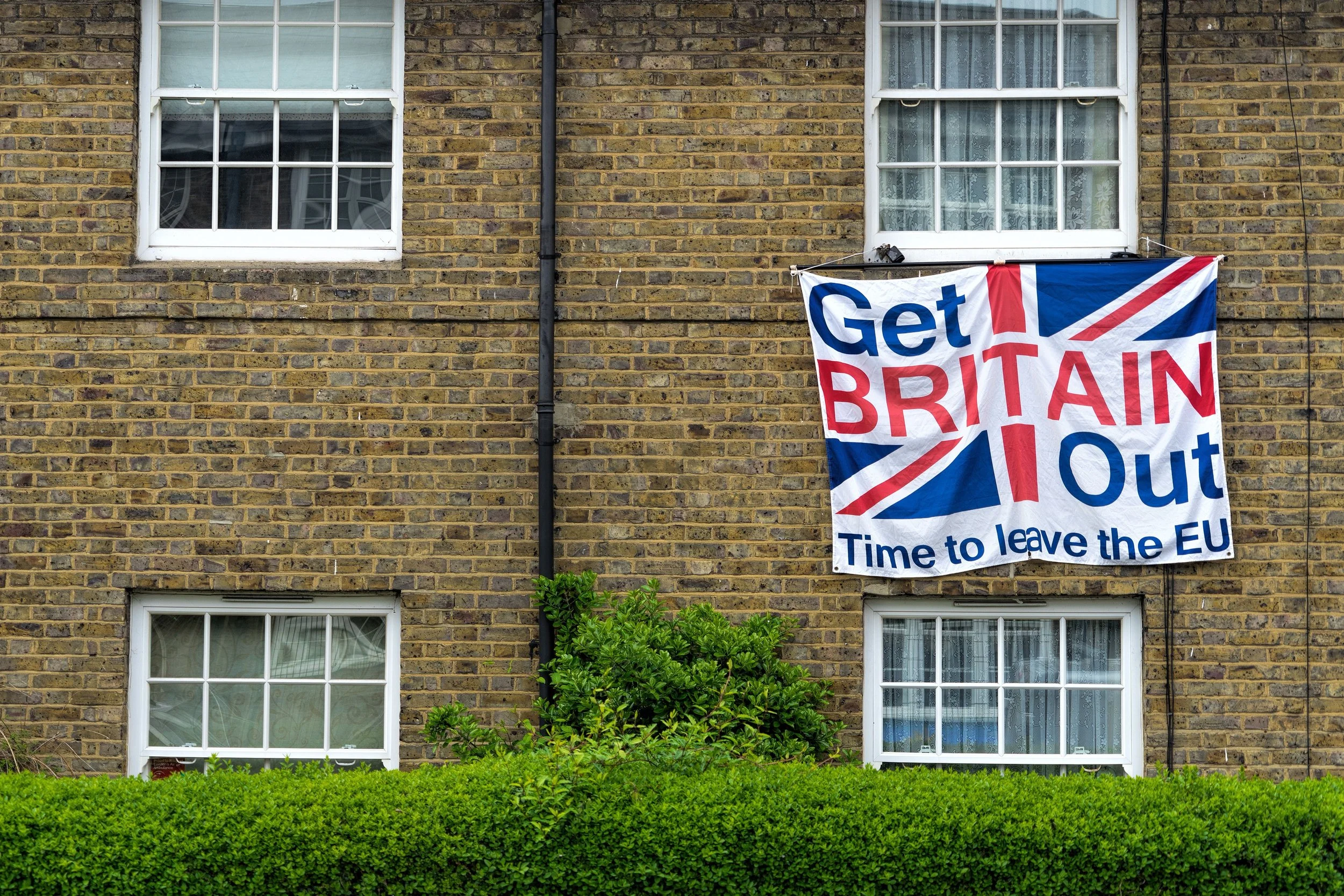
This week marks exactly ten years since the Brexit referendum, when the UK took the momentous decision to withdraw from the European Union. The immediate aftermath of this heralded perhaps one of the most divisive periods in the country's recent political history. With the vote having been decided on the slimmest of margins, as 51% voted to leave against 48% voting to remain, the result proved to be an incredibly contentious one. There followed a period of intense debate on the questions around what an EU withdrawal would actually look like, whether it should be a hard Brexit or a soft Brexit, whether the public had been misled, whether there ought to be a second referendum, and so on and on, ad nauseam.
Then-Prime Minister David Cameron, having made the decision to hold a referendum in the first place, immediately abandoned ship, and, after several years of painstaking negotiations that went nowhere, his successor, Theresa May also stood down. Her successor, Boris Johnson, then went on to win the Conservatives a landslide in the 2019 election, largely on the promise that he would finally “get Brexit done.”
Now, a decade on from the initial referendum, many economists appear to agree that Brexit has, on the whole, made the country poorer, with substantial losses in trade as a result. Whilst Brexit was sold to many as a means of controlling immigration, there is a powerful argument to be made that it in fact had the opposite effect, with right-wing populist parties such as Reform reaping the benefits since.
And yet, what is perhaps most remarkable about the aftermath of Brexit, in light of the furore it caused at the time, is how much it appears to have now largely dropped out of public discourse. Whatever one’s thoughts on the final outcome, however it may have affected the UK in the years since, the result in the 2019 election appeared to definitively decide the issue for most, with many seemingly wishing to move past the subject entirely and regarding the matter as settled.
In spite of his having called for a second referendum during his time as Shadow Brexit Secretary, Keir Starmer made it clear when he became Labour leader that he would honor the decision made after Brexit, pledging during the 2024 election that there would be no return to the EU under a Labour government. This might have been inevitable following Labour's disastrous performance in 2019, but perhaps more surprisingly, even parties such as the Liberal Democrats, who had been by far the strongest supporters of staying in the EU, made it clear this was not something they would look to be changing going into 2024. Since winning the election in 2024, Starmer and his government have attempted a ‘reset’ in UK-Europe relations, with new agreements between the UK and Europe on matters such as trade, farming, migration, and security, but so far have largely maintained that rejoining the EU or a customs union will remain “red lines” for them.
However, the past month has seen tentative moves towards reopening this debate from some. Most notably, the former Health Secretary, Wes Streeting, when announcing his resignation and putting forward his bid for the Labour leadership, stated that the Brexit outcome had been disastrous for Britain, and made clear his wish for the UK to eventually rejoin the EU. Streeting described Brexit as “a catastrophic mistake” and added that "we need a new special relationship with the EU, because Britain's future lies with Europe, and one day - one day - back in the European Union.”
This statement by Streeting should of course be seen within the context of the Labour Party's own internal politics, following its calamitous results in May's local elections. Even beforehand, many had been speculating that they could signal the end for Keir Starmer's premiership, with Streeting being seen as one of the key contenders for Starmer's position in the event of a leadership contest. Streeting, who had served as Health Secretary since 2024, had helped to resolve the doctor's strikes that had occurred under Rishi Sunak, and can boast a notable reduction in NHS waiting times.
However, as someone who is very much perceived as representing the right of the Labour Party, Streeting had since the start been seen by many as the least popular choice for the role, with some polls ranking him behind even Starmer in terms of overall popularity. If this were the case, it would have raised serious questions about how far a Streeting premiership could actually turn around Labour's fortunes electorally. Certainly, the prospect of Streeting as Prime Minister would not have seemed to offer the change in direction that many of the left of the Labour Party have been arguing is necessary following the local elections.
From the start, the bookies favorite for Starmer's successor has been Andy Burnham, who had since 2017 served as Mayor for Greater Manchester, a role in which he gained popularity not only with Labour supporters, but also with the general public.
Streeting's move to reopen the debate on Brexit was seen by many as an attempt therefore to take some of the wind out of Burnham's sails. Perhaps the fundamental issue for Labour over the past decade has been that its traditional working class voting base have largely been in favor of Brexit and other more socially conservative positions, whilst its actual membership has been much more progressive, and have consistently been adamantly opposed to Brexit.
When it was announced after the local elections that Burnham would be standing for Parliament in the Greater Manchester constituency of Makerfield - an area that heavily voted Leave, as well as voting for Reform in the recent locals - it seemed like Streeting's call for reentry to the EU could effectively undermine his main rival. Sure enough, Burnham felt compelled to reiterate that he would not support reentry to the EU, in spite of past comments he'd made on the issue as well as where Labour members sit on it, stating that he did not want to “rerun” old arguments.
Ultimately, Burnham still ended up easily winning the seat of Makerfield following the by-election last week, taking more votes than all his rivals combined. Where this may leave the debate around the EU remains unclear however. Even following Streeting's comments, Burnham remained by far the clear favorite among Labour supporters - perhaps lending credence to the idea that the Brexit debate is simply one that few want to return to so many years after it appeared to have been resolved. It has also given impetus to those who have argued that the lurch rightwards seen at the local elections is by no means inevitable, and that Reform can still be beaten.
However, figures such as Nigel Farage, leader of Reform, have maintained that Burnham's win should not be seen solely through his own personal popularity, but, in the same way as the local elections, on the understanding that this was a means of kicking out Keir Starmer. “What really happened here is it was 'vote Burnham, get Starmer out,'” Farage stated following the results, adding that Reform had been "slightly hoist with our own petard” after framing previous contests as forms of referenda on Starmer.
Streeting's comments around Europe also raised what will become the crucial issue for whoever may emerge as next Labour leader - that is, not so much the question of Europe itself, but rather how far either candidate could meaningfully deliver change.
Whilst saying he wished to see the UK rejoin the EU, Streeting had added the key caveat that Labour could only have the mandate to do this following a further general election in which it ran on this issue. Meanwhile, Burnham has himself made similar comments both in regards to Europe and several of his own key proposals, such as the need for electoral reform.
Streeting has now stated that he will in fact be backing Burnham for the leadership, following Keir Starmer's resignation, raising the prospect that Burnham's bid will go entirely uncontested. Regardless, whoever does emerge as leader will face the same fundamental issue, in that they have been elected on the desire for change, but, having been elected only by Labour Party MP's, members, and affiliated trade unionists, will be accused of not having the mandate for delivering such change without first holding a general election - something that, given Labour's performance in the locals, they would have no guarantee of winning.
The Conservatives may have changed leaders routinely over their time in the office, but with a media that has often appeared so resolutely against the current Labour government, it is doubtful whether a new Labour Prime Minister could have much hope of pushing through radical change without an election whilst still retaining any sense of democratic legitimacy. It seems likely therefore that any new leader could well find themselves in just the same kind of position that Starmer had - regardless of if this is Burnham, or someone else entirely.
